
Austin, Texas / Spa Wellness
Barton Creek Spring / Barton Springs complex
Dive into Barton Springs Pool, a natural spring-fed oasis in Austin's Zilker Park. Sourced from the Edwards Aquifer, this year-round swimming destination blends rich history, unique wildlife, and refreshing 68-to-74-degree waters.
What is the Barton Creek Spring / Barton Springs complex?
The Barton Springs complex is a system of four natural springs in Austin, Texas, that feed Barton Springs Pool, a popular outdoor swimming pool located in Zilker Park. The pool is filled entirely by natural springs connected to the Edwards Aquifer, which supply millions of gallons of water per day.
What is the water temperature at Barton Springs Pool?
The water temperature remains relatively constant year-round, hovering between about 68 and 74 degrees Fahrenheit (20 to 23 degrees Celsius). This consistent temperature makes it a popular venue for swimming in any season.
What are the hours and is it open every day?
The pool is open daily from 5 a.m. to 10 p.m., except on Thursdays when it closes for cleaning from 9 a.m. to 7 p.m. Guarded swim hours run from 8 a.m. to 10 p.m. on regular days, and from 7 p.m. to 10 p.m. on Thursdays.
Is there an admission fee for the pool?
Yes, admission is charged based on your age group and residency. However, entry is free for infants under one year old and honorably discharged veterans.
Are there any unique animals living in the Barton Springs complex?
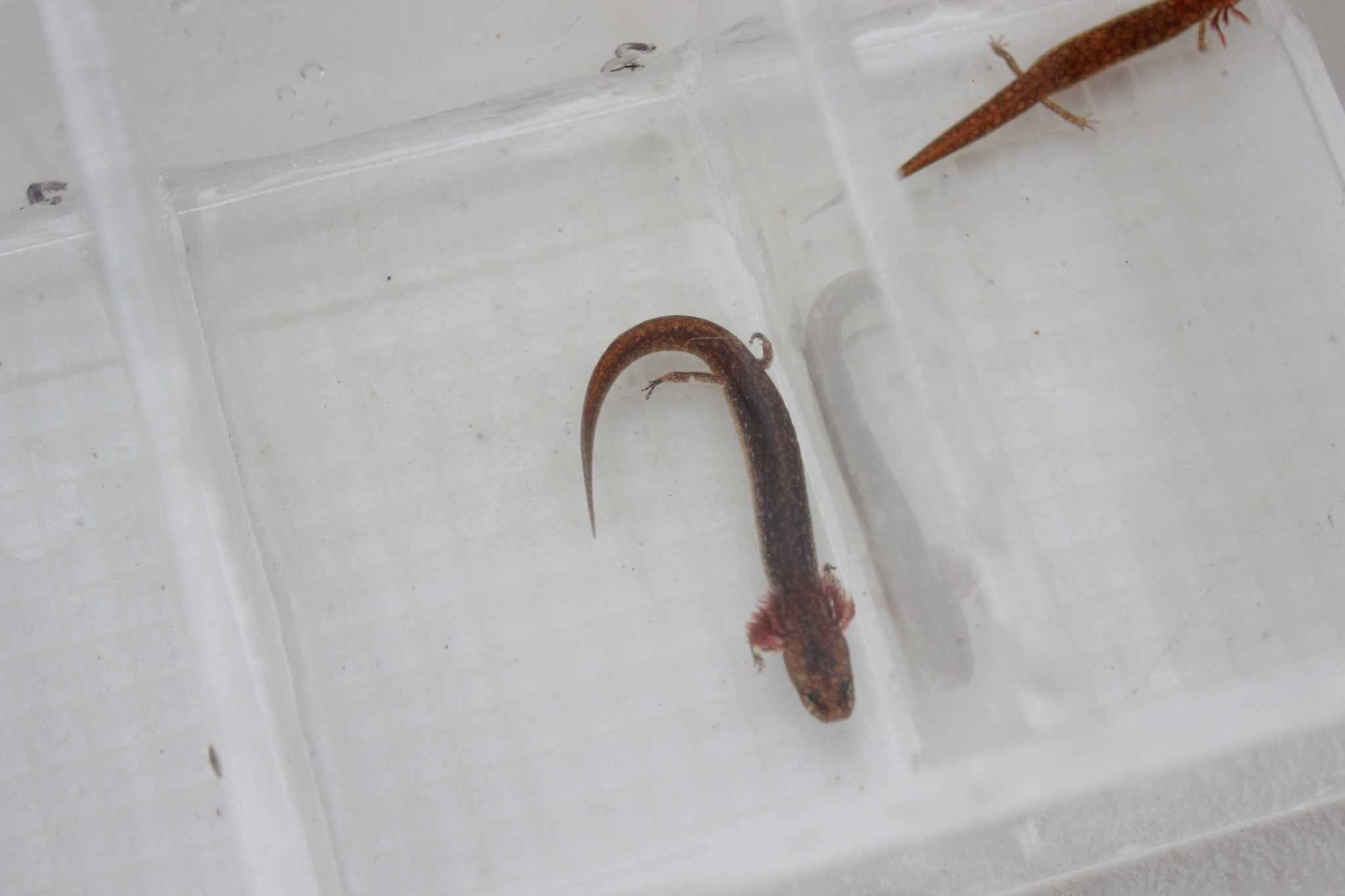
Yes, the Barton Springs and Austin Blind salamanders are iconic, fully aquatic amphibians found nowhere else in the world except within this segment of the Edwards Aquifer, its spring outlets, and the surrounding habitat.
What should I check before going?
Use Gyde for context, then check official sources for current hours, tickets, construction, and closures.
What to know
Barton Springs Pool is an iconic outdoor swimming pool located in Zilker Park, Austin's oldest metropolitan park. The pool sits directly within the channel of Barton Creek and is fed by Main Barton Spring, which draws from the Barton Springs segment of the Edwards Aquifer. This underground aquifer functions like a virtual river, flowing through honeycombed limestone formations and caverns. Every day, the pool receives millions of gallons of water from this system, which is one of the strongest spring systems in Texas. The land surrounding the springs was donated to the city of Austin by Will H. Zilker in three separate gifts between 1918 and 1931. Long before it became a public park, early pioneers utilized the springs to power mills that supplied Austin with raw materials. Over the decades, the pool became central to local culture, with a rich social history spanning from 1912 to 1962. To manage the creek's flow, the city built a bypass system in the 1940s, followed by a larger redesigned bypass in 1975. More recently, the Barton Springs Skimmer Bypass Project has continued to manage creek flow using these infrastructure features. Beyond recreation, the springs are a highly sensitive ecological habitat. The Barton Springs and Austin Blind salamanders are endangered species found nowhere else in the world except within this complex and its surrounding aquifer. The Barton Springs salamander is fully aquatic, spending its entire life in these springs and caves. Because reduced springflow lowers dissolved oxygen levels and threatens their survival, agencies like the Barton Springs-Edwards Aquifer Conservation District and Austin Watershed Protection closely monitor water levels and habitat safety. Because the spring water maintains a consistent temperature of 68 to 74 degrees Fahrenheit, the pool is a popular year-round swimming destination. The complex actually includes four springs, with Upper Barton Spring being the only one not contained by human infrastructure. While the pool is generally open daily, it closes on Thursdays for cleaning. Occasionally, natural events like a sediment plume in late 2018 can cause temporary one-day closures, but the pool remains a beloved sanctuary for locals and visitors alike.
Visitor tips
- Plan around the Thursday cleaning closure, when the pool is closed from 9 a.m. to 7 p.m.
- Enjoy guarded swim hours from 8 a.m. to 10 p.m. on regular days, or 7 p.m. to 10 p.m. on Thursdays.
- Be prepared to pay an admission fee based on your age and residency, though infants under one and veterans get in free.
- Keep in mind that heavy rains or sediment plumes can occasionally cause temporary one-day closures.
Nearby context
Barton Springs Pool is the crown jewel of Zilker Metropolitan Park, Austin's oldest metropolitan park spanning over 350 acres. Situated at the confluence of Barton Creek and Lady Bird Lake, this vibrant green space serves as a central hub for outdoor recreation. Visitors can easily transition from a refreshing dip in the springs to exploring the wider park's botanical gardens, nature centers, and expansive lawns, making it the perfect anchor for a day of exploring Austin's natural beauty.
Sources
Evidence and links
-
Protecting Springflow and Salamanders | Barton Springs-Edwards Aquifer Conservation District
The District is responsible for protecting groundwater levels and springflow in the Barton Springs segment of the Edwards Aquifer, which th…
bseacd.org -
Saving Barton Creek | Texas Parks & Wildlife Magazine
The Barton Springs segment of the Edwards Aquifer lies below Barton Creek and five other area creeks.
tpwmagazine.com -
Zilker Metropolitan Park | AustinTexas.gov
Zilker Metropolitan Park, located 2100 Barton Springs Road, is Austin’s oldest metropolitan park.
austintexas.gov -
Barton Springs Pool - Wikipedia
The pool is a popular venue for year-round swimming...
en.wikipedia.org -
Barton Springs Pool reopens after city finishes upgrades | FOX 7 Austin
The project focused on two infrastructure features that managed creek flow from Barton Creek, known as bypass features.
fox7austin.com -
Upper Barton Spring | Barton Creek Times Stream
Upper Barton Spring is the only one of four springs near Barton Springs Pool that has not been contained by human infrastructure.
bartoncreektimestream.org