
Austin, Texas / History
East Cesar Chavez Historic District
Explore one of Austin's oldest neighborhoods, where rich history, diverse cultural heritage, and vibrant public art meet. From its roots as Masontown to today's bustling culinary scene, this district offers a perfect blend of historic charm and modern energy.
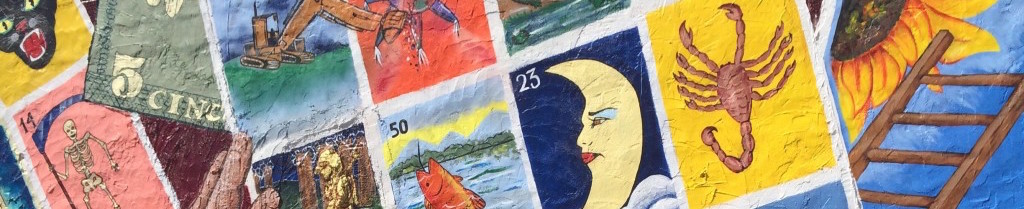
What is the East Cesar Chavez Historic District and where is it located?
East Cesar Chavez is one of Austin's oldest neighborhoods, situated north of the Colorado River and just east of downtown Austin (east of IH 35). It is a vibrant cultural landscape known for its rich history, diverse heritage, and proximity to the downtown core.
What is the history of this neighborhood?
Originally settled by African Americans following the Emancipation Proclamation, the area was purchased in 1867 and first known as Masontown. By the 1880s, Eastern European immigrants arrived and built Victorian-style homes, and over time, the neighborhood's unique character was shaped by African American, Hispanic, and European-American residents.
What are the best things to do and see in the area?
Visitors can explore the neighborhood's public art installations, local galleries, and independent boutiques, or enjoy its diverse dining scene, which features family-owned restaurants, hip cafes, and dive bars. You can also walk the Tejano Walking Trails of East Austin, a 4.9-mile National Recreation Trail that highlights 24 historical and cultural sites.
What should I check before going?
Use Gyde for context, then check official sources for current hours, tickets, construction, and closures.
What to know
Located just east of IH 35 from downtown Austin and north of the Colorado River, the East Cesar Chavez Historic District is one of the city's oldest neighborhoods. Named in honor of the Latino-American labor and civil rights advocate César Chávez, this vibrant area encompasses much of the 78702 ZIP code. Over the decades, it has evolved into a dynamic cultural landscape that seamlessly blends its deep historical roots with modern urban life. The neighborhood's colorful history dates back to the late nineteenth century. In 1867, Sam and Raiford Mason purchased land here, and the area was first settled by African Americans following the Emancipation Proclamation, earning it the name Masontown or Masonville. The neighborhood's growth accelerated in 1871 when the Houston and Texas Central Railroad built a freight depot just north of the area, prompting the opening of the historic Scoot Inn to serve travelers that same year. By the 1880s, Eastern European immigrants arrived southwest of Masontown, building Victorian-style homes on large lots shaded by pecan and oak trees. Over time, the district's unique character was shaped by a diverse mix of African American, Hispanic, and European-American residents. Today, the local architecture remains highly varied, featuring a mix of these historic Victorian structures, renovated homes, modern developments, condos, and apartment complexes. Notably, the Willow-Spence Streets Historic District, located south of César Chávez Boulevard, was added to the National Register of Historic Places in 1985. Today, East Cesar Chavez is celebrated for its vibrant community spirit, artistic expression, and exceptional culinary scene. Visitors will find a lively mix of local, family-owned restaurants, hip cafes, dive bars, art galleries, and boutiques. Despite extensive revitalization that has made the neighborhood feel like an extension of Downtown Austin, it retains its historic roots. This is evident in ongoing beautification projects, including pocket parks, gateways, and public art installations managed in partnership with the East Cesar Chavez Merchants Association. Visitors can explore this heritage on the Tejano Walking Trails of East Austin, a 4.9-mile National Recreation Trail designated by the National Park Service.
Visitor tips
- Allow about 2.5 hours if you plan to walk the full 4.9-mile Tejano Walking Trail.
- Keep an eye out for public art installations and interpretive trail markers as you walk.
- Combine your historical walk with stops at the neighborhood's family-owned restaurants, hip cafes, or art galleries.
Nearby context
Located just east of downtown Austin, the East Cesar Chavez Historic District provides a stark, culturally rich contrast to the modern high-rises of the nearby Austin Convention Center. As you cross under the highway from the convention center or head east from the legendary music marquee of Antone’s, you transition into a historic neighborhood shaped by generations of diverse residents. This close proximity makes it an easy and rewarding extension of any downtown walking tour.
Sources
Evidence and links
-
Economic and Cultural District Development - City of Austin
The East Cesar Chavez neighborhood, located on the east side of Austin, is one of the city's oldest districts, rich in history and culture.
austintexas.gov -
Neighborhood Character - East Cesar Chavez Neighborhood Association
The East Cesar Chavez neighborhood is diverse and dynamic, with a colorful history stretching back to the late-nineteenth and early-twentie…
eastcesarchavez.org -
Things to Do in East Cesar Chavez | Food, Bars & Culture - Austin, TX
The area surrounding East Cesar Chavez Street, named for the Latino-American labor and civil rights advocate, sits just east of IH 35 from…
austintexas.org -
East Cesar Chavez Neighborhood Guide - Austin - Homes.com
East Cesar Chavez, where history and diverse cultural heritage fuse with independent eateries, charming boutiques, art galleries and a thri…
homes.com -
East Cesar Chavez | Spyglass Realty
East Cesar Chavez is known for its vibrant urban culture, historic architecture, excellent local dining scene, and its close proximity to d…
spyglassrealty.com -
East Cesar Chavez, Austin, Texas - Wikipedia
East César Chávez, historically and originally named Masontown or Masonville, is a neighborhood in Austin, Texas.
en.wikipedia.org