
New Orleans, Orleans Parish / History
George Washington Cable House
The former home of novelist George Washington Cable, this National Historic Landmark showcases the architecture and literary legacy of a writer famous for his realistic portrayals of Creole life in New Orleans.
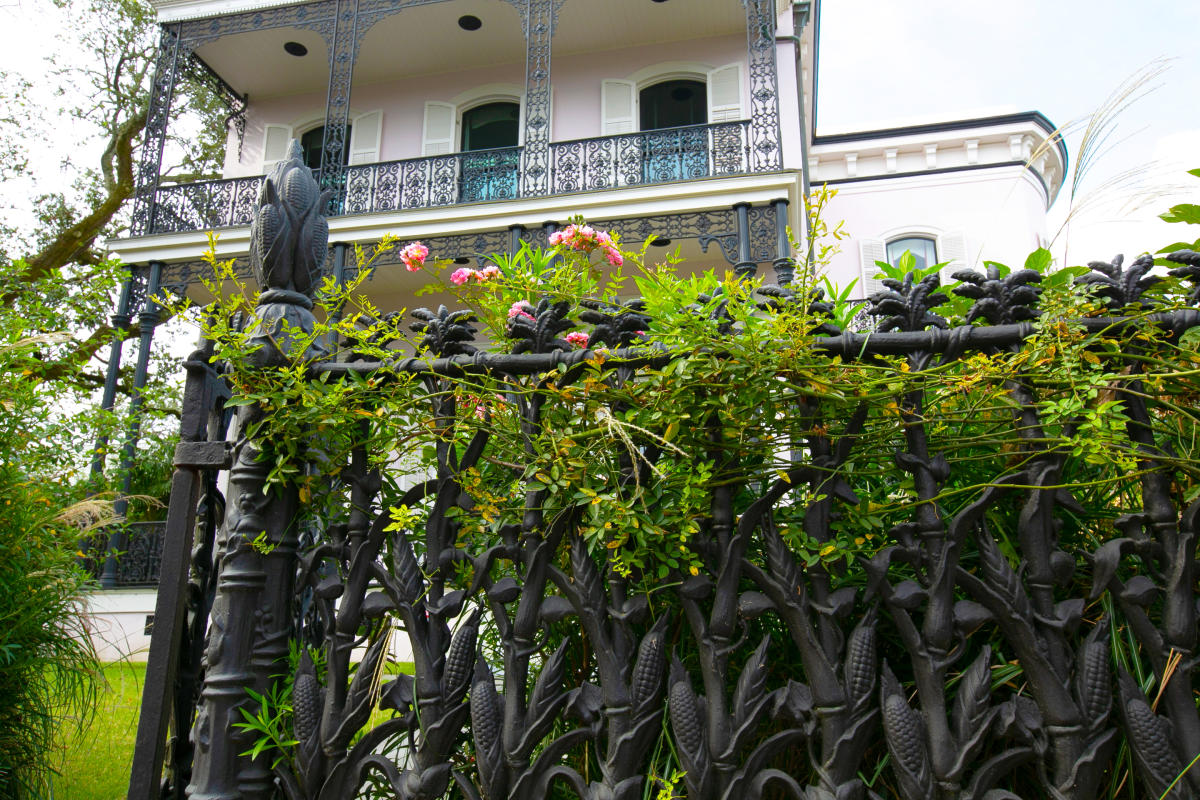
Where is the George Washington Cable House located?
The house is located at 1313 Eighth Street in New Orleans.
What is the George Washington Cable House known for?
It was designated as a National Historic Landmark in 1962. The home was built using funds George Washington Cable earned from the success of his short story “Sieur George,” which brought him national attention.
What are the architectural features of the house?
The house is considered a single-story building featuring a full-height basement and a front arcade supported by columns that hold up a wide front porch.
What should I check before going?
Use Gyde for context, then check official sources for current hours, tickets, construction, and closures.
What to know
Located at 1313 Eighth Street, the George Washington Cable House serves as a physical testament to the success of one of New Orleans' most influential literary figures. The residence was funded by the earnings from Cable's short story “Sieur George,” which first appeared in the October 1873 issue of Scribner's Monthly. This specific publication brought Cable national attention and provided the necessary capital to establish a family home. Architecturally, the house presents an interesting profile. It is classified as a single-story building, though it features a full-height basement. A prominent front arcade, supported by columns, holds up a wide front porch, creating a distinctive facade that blends functionality with the aesthetic of the era. George Washington Cable, born in New Orleans in 1844, began his professional writing career as a local newspaper reporter and columnist. He eventually became a highly regarded novelist known for his realistic depictions of Creole civilization, a subject that captivated national audiences. His deep connection to the city's culture heavily influenced his beliefs and attitudes throughout the first half of his life. Recognizing its historical and cultural importance, the house was designated as a National Historic Landmark in 1962. The site remains a key point of interest for those exploring the literary history of the Lower Garden District, marking the residence of a man who lived until 1925 and helped define the exotic image of nineteenth-century New Orleans for the rest of the country.
Visitor tips
- View the house from the sidewalk to appreciate the unique full-height basement and front arcade columns.
- Wear comfortable walking shoes, as this site is located within the walkable Lower Garden District.
- Visit during the morning or late afternoon to avoid the peak New Orleans heat while admiring the facade.
Nearby context
The house is situated in the Lower Garden District, an area known for its historic residential architecture and literary connections. It stands as a quiet contrast to the more bustling commercial districts of the city.
Sources
Evidence and links
-
Historic Garden District Homes | New Orleans
The house itself, designated as a National Historic Landmark in 1962, owes its construction to the success of one publication in particular…
neworleans.com -
Madame John's Legacy | Louisiana State Museums
The house's name was inspired by George Washington Cable's 1874 short story “'Tite Poulette,” in which the character Monsieur John bequeath…
louisianastatemuseum.org -
George Washington Cable - Historic Northampton
George Washington Cable (1844-1925) was well established in the literary world when he moved to Northampton in 1885.
historic-northampton.org -
George Washington Cable - Penguin Random House
He died in 1925.
penguinrandomhouse.com -
George Washington Cable: Native Outsider and Social Activist
Born in New Orleans in 1844, he lived the first half of his life in and around the city, which had a great impact on not only his writings,…
urliteraryneworleans.wordpress.com