
New Orleans, Orleans Parish / History
Homer Plessy Way / Plessy v. Ferguson Marker
A powerful historic marker marking the site where Homer Plessy's 1892 railroad protest sparked a landmark Supreme Court case on racial segregation.
What is the Homer Plessy Way / Plessy v. Ferguson Marker?
It is a historical marker and a five-block section of street renamed in 2018 to honor Homer Plessy, a shoemaker who was arrested in 1892 for sitting in a whites-only railcar to challenge Louisiana's Separate Car Act.
What is the historical significance of this site?
This site marks the location where Homer Plessy was arrested in 1892, an event that led to the landmark 1896 U.S. Supreme Court case Plessy v. Ferguson, which established the 'separate but equal' doctrine.
What can I see at Homer Plessy Way?
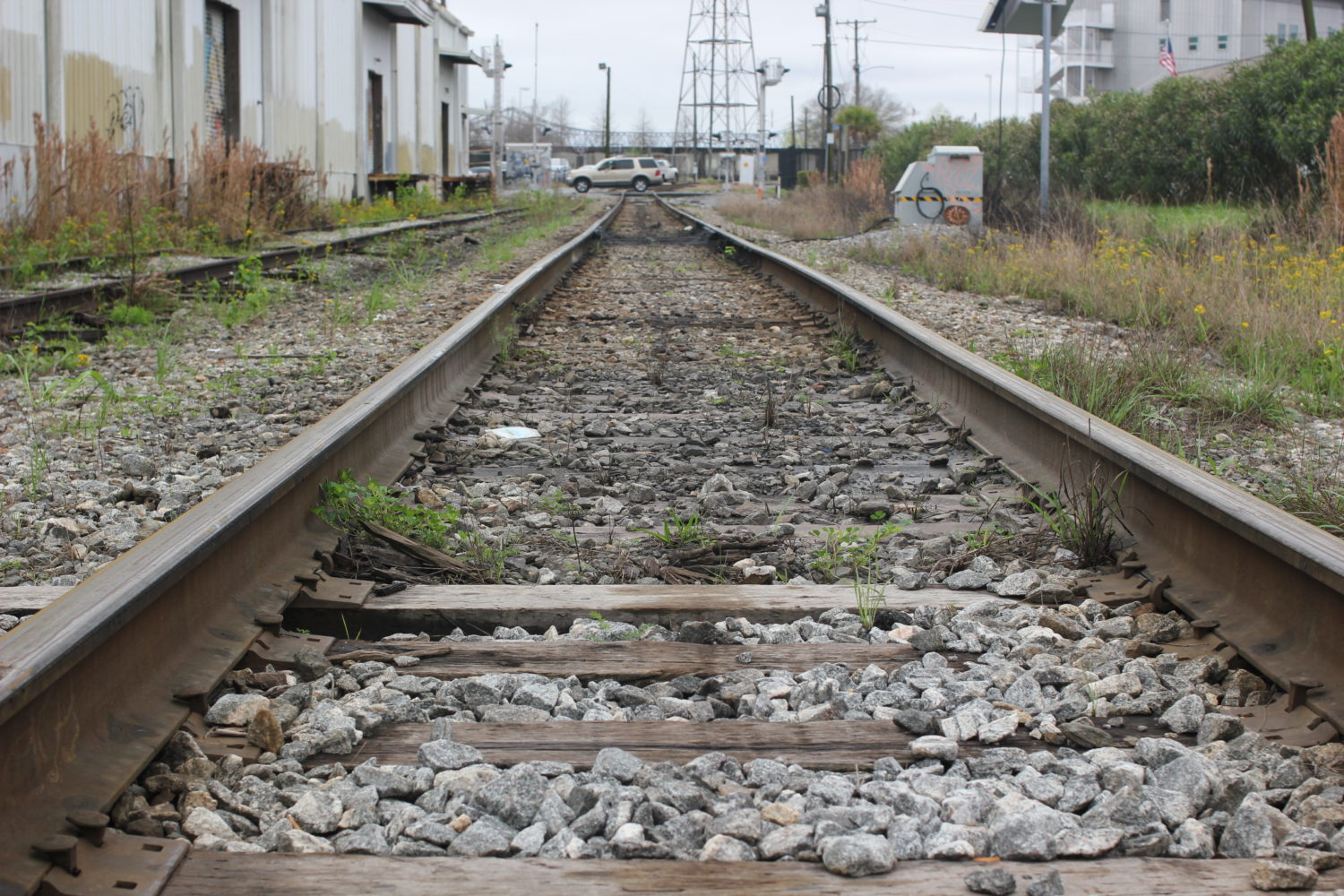
Visitors can see a historical plaque placed in 2009, a mural by artist Ayo Scott installed in May 2019, and the original protest rail tracks.
Where is Homer Plessy Way located?
Homer Plessy Way spans five blocks from Chartres Street to St. Roch Avenue, adjacent to the New Orleans Center for Creative Arts campus, Studio Be, and a community garden.
What should I check before going?
Use Gyde for context, then check official sources for current hours, tickets, construction, and closures.
What to know
Homer Plessy Way is a dedicated section of Press Street, spanning five blocks from Chartres Street to St. Roch Avenue. In April 2018, the New Orleans City Council unanimously voted to rename this stretch to honor the legacy of Homer Plessy, a Creole of color and shoemaker. The way is characterized by a historical marker placed on February 12, 2009, by the Plessy and Ferguson Initiative, which marks the exact site of Plessy's arrest for violating Louisiana's 1890 Separate Car Act. On June 7, 1892, Plessy purchased a first-class ticket for the East Louisiana Railroad train at the corner of Press and Royal streets. His protest was a calculated move with four explicit tasks: purchase the ticket, board the train, get arrested, and get booked. This act of civil disobedience resulted in his arrest and a subsequent legal battle that reached the U.S. Supreme Court in 1896, establishing the infamous 'separate but equal' doctrine that upheld racial segregation for decades. Despite the initial legal defeat, the state of Louisiana posthumously pardoned Plessy in 2022, recognizing the injustice of his 1892 arrest and trial. The area surrounding Homer Plessy Way is now a community-focused space, adjacent to the New Orleans Center for Creative Arts campus, Studio Be, and a community garden. Visitors can also find a mural by artist Ayo Scott, installed in May 2019, which commemorates the accomplishments and continuing battle for equal rights.
Visitor tips
- Look for the Ayo Scott mural installed in May 2019 to get a full sense of the continuing fight for equal rights.
- Combine this stop with a walk through the neighborhood to see the original protest rail tracks still present in the area.
- Allow a few minutes to read the full text of the historical marker placed in 2009.
Nearby context
Homer Plessy Way is located in a neighborhood that blends historic civil rights landmarks with modern creative hubs, such as the New Orleans Center for Creative Arts campus and Studio Be.
Sources
Evidence and links
-
Historical Marker Placement Date and Purpose
Back of the marker placed Feb. 12, 2009 recalling the arrest of Homer Plessy for violating Louisiana's segregationist 1890 Separate Car Act
commons.wikimedia.org -
Homer Plessy Way / Plessy v. Ferguson Marker Historical Facts
Homer Adolph Plessy was born in New Orleans on March 17, 1862
hmdb.org -
Homer Plessy's 1892 Railroad Protest
In June 1892, Homer Plessy of New Orleans purchased a ticket on the East Louisiana Railroad and took a seat in a whites-only car
hnoc.org -
Homer Plessy's Mission and Early Life Details
Homer Plessy was born 'Homere Patris Plessy' in New Orleans on St. Patrick's Day, March 17, 1863
prcno.org -
Homer Plessy Way Renaming and Surrounding Features
In April of 2018, the City Council unanimously voted to rename a section of Press Street Homer Plessy Way
verylocal.com -
Homer Plessy's Posthumous Pardon and 2018 Street Renaming
A Louisiana board on Friday voted to pardon Homer Plessy, whose decision to sit in a 'whites-only' railroad car to protest discrimination l…
wsls.com
