
New Orleans, Orleans Parish / History
Oak Alley Plantation
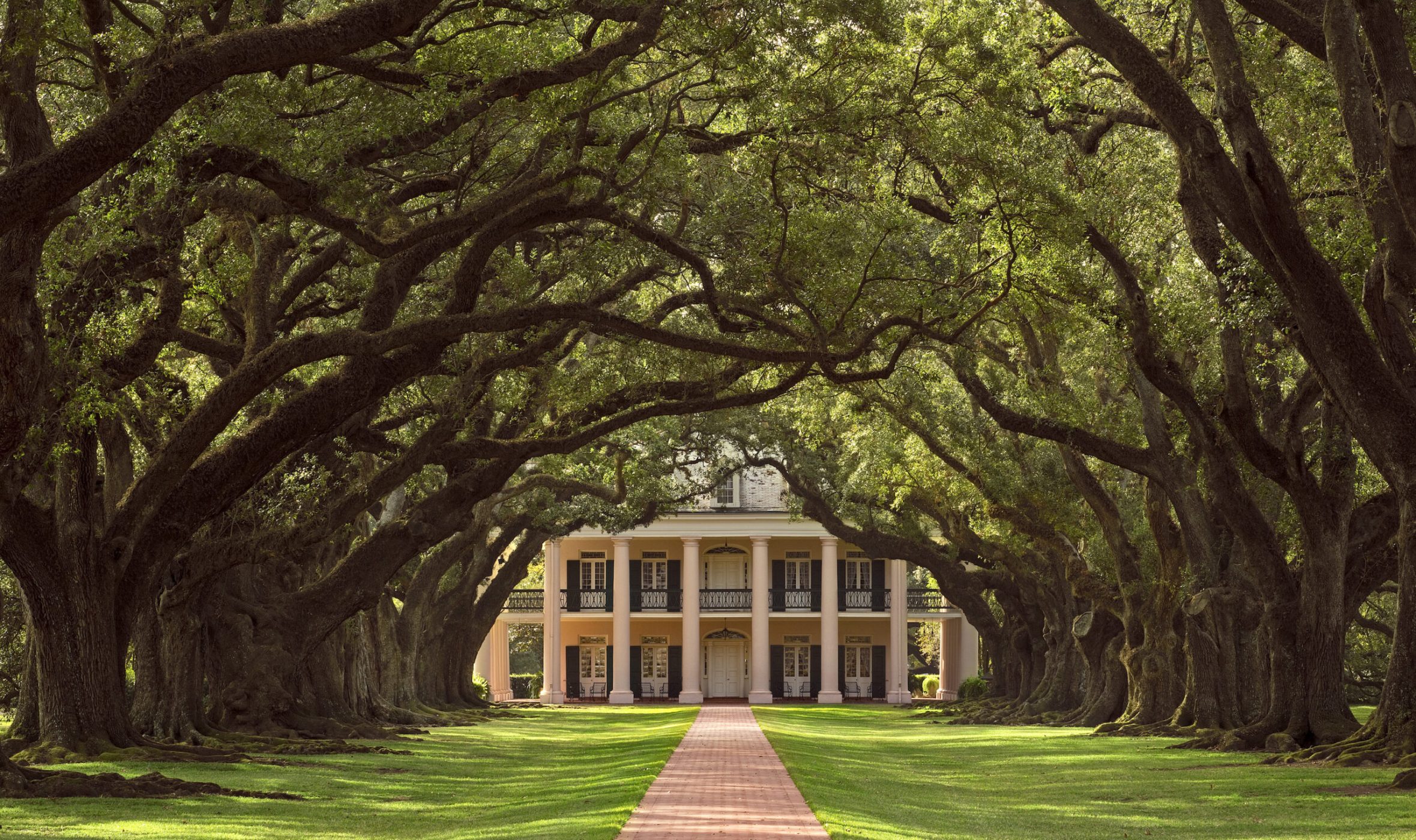
A National Historic Landmark in Vacherie, Louisiana, renowned for its iconic 800-foot canopied alley of 28 giant southern live oaks leading to an 1839 Greek Revival mansion.
What is Oak Alley Plantation known for?
It is renowned for its picturesque 800-foot canopied alley formed by a double row of 28 giant southern live oak trees leading from the Mississippi River to the house. It is also a National Historic Landmark recognized for its architecture, landscaping, and an 1846–47 innovation in pecan-tree grafting by an enslaved gardener.
How much does it cost to visit?
Admission for adults of all ages starts at $30+ for the site with the "Big House" exhibit and $27+ for the site without the "Big House" exhibit. All guests must purchase admission to enter the historic site.
What are the hours?
The site with the Big House exhibit is open daily from 9:00 a.m. to 4:30 p.m.
What can I see at the plantation?
Visitors can explore a renovated 1839 Greek Revival mansion with period furnishings, recreated slave cabins, and interpretive exhibits that address the history of both free and enslaved inhabitants.
How long does a visit typically take?
A visit is estimated to take about 2 hours, whether exploring with or without the Big House exhibit.
What should I check before going?
Use Gyde for context, then check official sources for current hours, tickets, construction, and closures.
What to know
Oak Alley Plantation, located on the west bank of the Mississippi River in Vacherie, St. James Parish, Louisiana, is a National Historic Landmark. The site is most famous for its distinguishing visual feature: a double row of southern live oak trees, approximately 800 feet long, which forms a grand, canopied path leading from the river to the plantation house. This avenue consists of 28 evenly spaced, giant live oaks that create a dramatic corridor of greenery. The property's history spans over 200 years, with the land originally being a Spanish government grant to Jacques Telesphore Roman in the late 18th century. Originally known as Bon Séjour, the estate has served as a sugar plantation, a cattle ranch, and even an abandoned investment property. The current 1839 Greek Revival mansion was built to convey success, prestige, and power, commanding attention with its architectural style. Today, the site is managed by the public non-profit Oak Alley Foundation, established by Josephine Stewart in 1972 to ensure long-term preservation. The foundation focuses on preserving and interpreting each chapter of the plantation's memory, including its past as a place of enslavement. The site now offers interpretive exhibits that address the lives of both the free and enslaved former inhabitants, including recreated slave cabins and period furnishings within the renovated mansion. Of particular historical significance is the agricultural innovation of grafting pecan trees, which was performed here in 1846–47 by an enslaved gardener. This contribution is part of why the property was designated a National Historic Landmark for its architecture, landscaping, and agricultural innovation.
Visitor tips
- Allow approximately 2 hours for your visit, as recommended by the official site.
- Purchase admission to the 'Big House' exhibit for a more complete experience of the lives of both planter families and enslaved people.
- Wear comfortable walking shoes for exploring the grounds and the 800-foot oak alley.
- The site is open daily, with hours typically between 9:00 a.m. and 4:30 p.m.
Nearby context
Situated along the banks of the Mississippi River in Vacherie, Louisiana, Oak Alley Plantation is part of a region known for its historic river road plantations,s
Sources
Evidence and links
-
Oak Alley Plantation Hours and Admission | Tour Louisiana
Oak Alley Plantation in Vacherie, Louisiana sprawls along the banks of the Mississippi River.
tourlouisiana.com -
Oak Alley Plantation interpretation and access
This admission includes access to the historic site and exhibits excluding the “Big House” exhibit.
oakalleyplantation.org -
Oak Alley Plantation - Wikipedia
Oak Alley Plantation is a historic plantation located on the west bank of the Mississippi River, in the community of Vacherie, St. James Pa…
en.wikipedia.org -
Oak Alley Plantation | Gray Line New Orleans
This 1839 Greek Revival mansion was built with success, prestige and power in mind, therefore commanding attention.
graylineneworleans.com -
Stunning Oak Alley Plantation Tour - Cajun Encounters
The land that would become Oak Alley Plantation was originally a grant from the Spanish government to Jacques Telesphore Roman in the late…
cajunencounters.com