
New Orleans, Orleans Parish / History
Warehouse District Historic District
A former industrial hub transformed into New Orleans' premier arts district, blending historic warehouses with world-class museums and contemporary galleries.
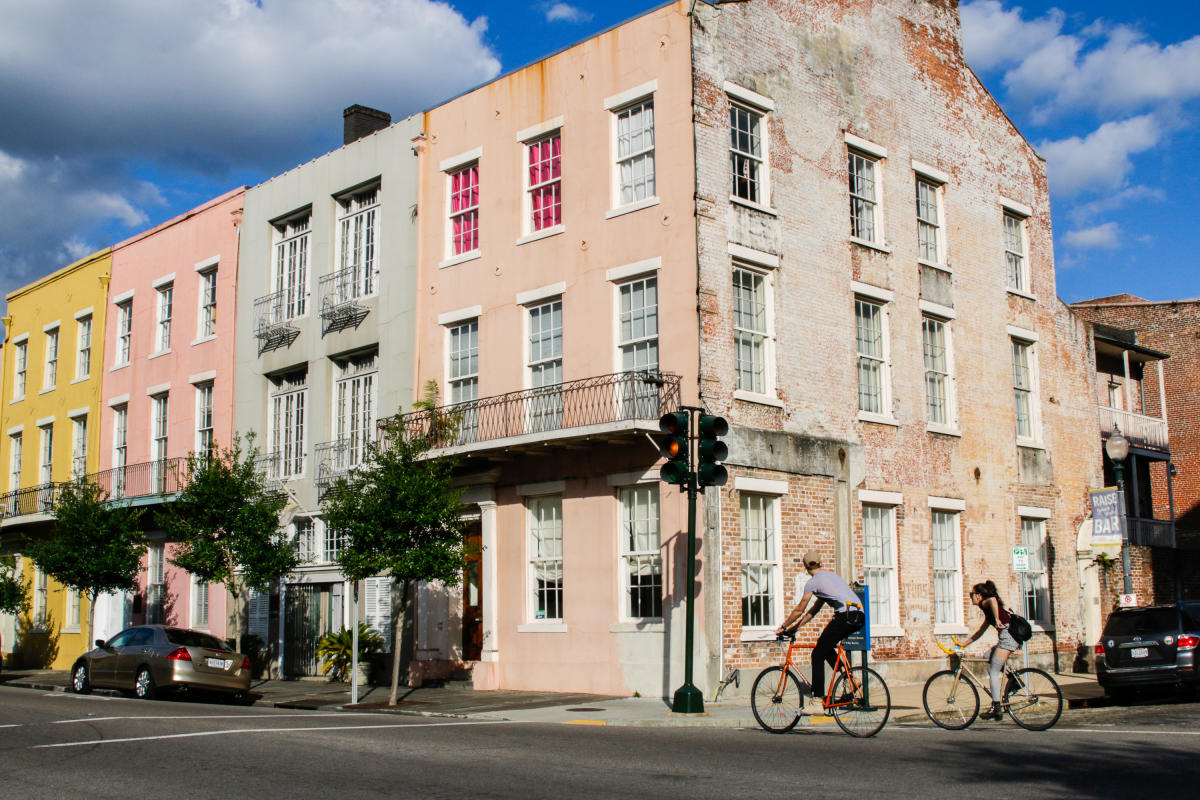
What is the Warehouse District Historic District known for?
Also known as the Arts District, this neighborhood is filled with museums, bars, and brunch spots. It is particularly famed for the National WWII Museum, the Ogden Museum of Southern Art, and the First Saturday Julia Street art walk.
What is the history of the Warehouse District?
Developed in the early 19th century as part of New Orleans' expansion beyond the French Quarter, the area was known as 'The American Sector' after the Louisiana Purchase in 1803. It was historically linked to the commerce of the Port of New Orleans and originally housed warehouses, retail and wholesale stores, and cotton and sugar presses.
What can visitors do in the district?
Visitors can explore more than 25 art galleries, visit museums like the National WWII Museum, or walk along Julia Street (Gallery Row). Dining options include brunch spots serving coconut French toast and places to share pizza beneath the stars.
How has the neighborhood changed over time?
After the 1984 World's Fair, the neighborhood was revitalized into a cultural and artistic hub. Many of its historic buildings, which once served as warehouses and stores, have been converted into hotels, condominiums, and apartments.
What should I check before going?
Use Gyde for context, then check official sources for current hours, tickets, construction, and closures.
What to know
The Warehouse District Historic District is an area historically linked to the commerce of the Port of New Orleans. Originally developed in the early 19th century as part of the city's expansion beyond the French Quarter, it was known as 'The American Sector' following the Louisiana Purchase in 1803. The district's early industrial identity was defined by retail and wholesale stores, cotton and sugar presses, and massive warehouses that served the port's trade. Following the 1984 World's Fair, the neighborhood was revitalized revitalized and transformed into a cultural and artistic hub. The abundant open spaces of the old warehouses proved perfect for creating and displaying artwork, leading to an environment where more than 25 galleries now call the district home. This transition from commerce to culture has turned the district into a modern center for tourism, the arts, and urban apartment life. Today, the area is also known as the Arts District and is famed for major institutions like the National WWII Museum and the Ogden Museum of Southern Art. Julia Street, known as Gallery Row, Gallery Row, is a central focal point for art enthusiasts. The district's architectural landscape has evolved, with many historic buildings converted into luxury condominiums, hotels, and apartments, maintaining the industrial aesthetic while supporting a new era of urban living.
Visitor tips
- Visit Julia Street to explore the high concentration of galleries on Gallery Row.
- Plan your visit around the First Saturday Julia Street art walk for a more vibrant atmosphere.
- Allow several hours if you plan to visit the National WWII Museum or the Ogden Museum of Southern Art.
Nearby context
Located just beyond the French Quarter, the Warehouse District serves as a transition between the city's oldest colonial center and the modern urban expansion of New Orleans.
Sources
Evidence and links
-
Arts/Warehouse District - New Orleans Tourism Page
Famed for institutions like the National WWII Museum and the Ogden Museum of Southern Art and events like the First Saturday Julia Street a…
neworleans.com -
City of New Orleans HDLC - Warehouse District Historic District and Preservation Resource Center History Page
Designated 1978; Expanded 1985, 2007
nola.gov -
Warehouse/Arts District History - New Orleans Tourism
After the 1984 World's Fair, the neighborhood was revitalized and transformed into the cultural and artistic hub that it is today.
neworleans.com -
Revitalizing Neighborhoods: The Warehouse District - Metro Jacksonville
Watching young ballerinas en pointe framed in a plate glass window; sharing a pizza beneath the stars or brunching on coconut French toast.
archive.metrojacksonville.com