
New Orleans, Orleans Parish / History
Whitney Plantation
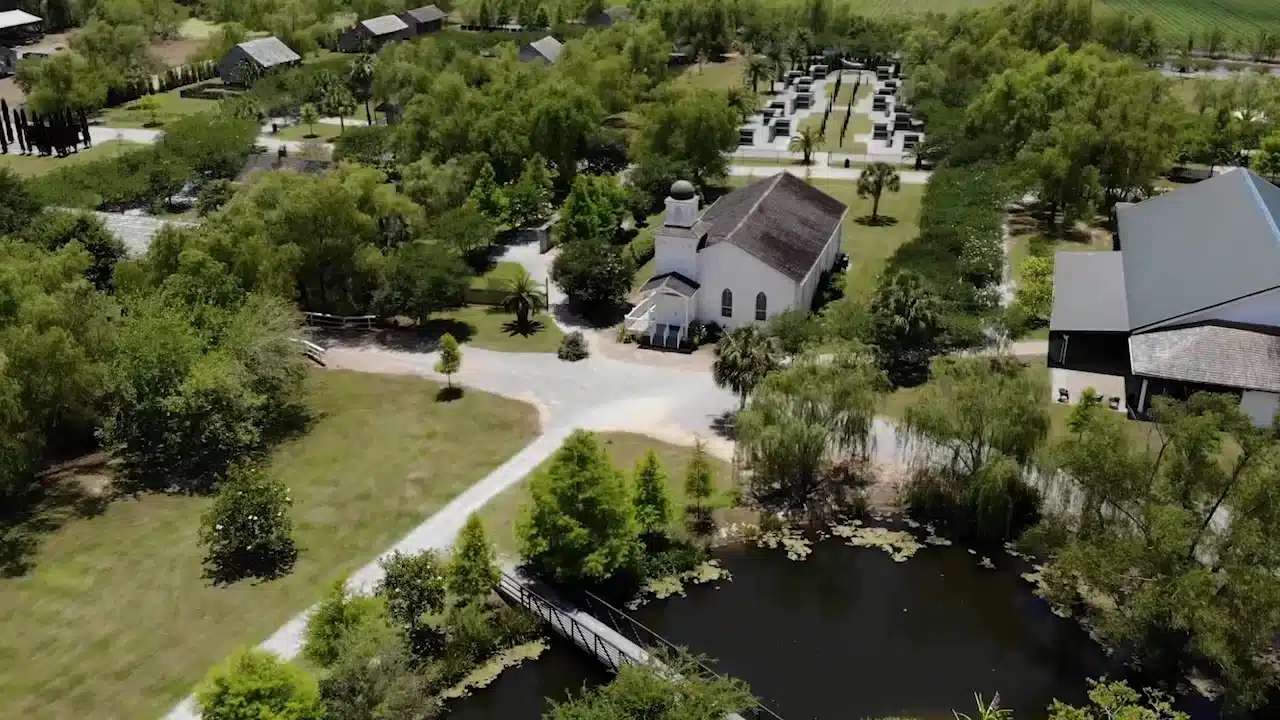
Established in 1752, Whitney Plantation is Louisiana's only plantation museum with an exclusive focus on the lives of the enslaved, offering a poignant, educational experience through restored buildings and first-person narratives.
What is the Whitney Plantation known for?
It is a museum and memorial site dedicated to educating the public about the history and legacies of slavery in the United States. It is the only plantation museum in Louisiana with an exclusive focus on the lives of the enslaved.
What are the hours?
The plantation is open daily from 9:30 a.m. to 4:30 p.m., though it is closed on Tuesdays. The last entry is at 3:00 p.m.
How much does it cost?
According to Gray Line, prices are $89 for adults (13+), $75.50 for seniors (65+), $42 for children (6-12), and free for infants (2-5).
What is the visitor experience like?
Visitors take a self-paced audio tour, which may include a 90-minute walking tour focused on the lives of 350 enslaved people. The experience features museum exhibits, memorial artwork, restored buildings, and first-person narratives.
Where is it located?
It is located in Wallace, Louisiana, on the west bank of the Mississippi River, less than an hour from New Orleans.
What should I check before going?
Use Gyde for context, then check official sources for current hours, tickets, construction, and closures.
What to know
Whitney Plantation, located in Wallace, Louisiana, on the west bank of the Mississippi River, serves as a museum and memorial site. Founded in 1752 by Ambroise Haydel, a German immigrant, the site initially operated as a sugar plantation. Over the centuries, from 1752 to 1975, the plantation produced indigo, rice, and sugar as its principal cash crops. Unlike traditional plantation tours, this site is the only one of its kind in Louisiana completely dedicated to the history of slavery. It opened to the public in 2014 to educate visitors on the legacies of bondage. The experience centers on the lives of 350 enslaved people who were held on these grounds for more than 100 years, interpreting their history on the very land where they labored. Visitors explore the Whitney Plantation Historic District, which is listed on the National Register of Historic Places. The site preserves more than a dozen historical structures, including original slave cabins and old sugar cane fields. The visitor experience is delivered via a self-paced audio tour that integrates museum exhibits, memorial artwork, and hundreds of first-person narratives to provide a unique perspective on the formerly enslaved. The museum's commitment to education makes it a nationally significant site. Through the display of artifacts such as tools and clothing, the museum transforms a site of labor into a space of remembrance and learning, ensuring the stories of the enslaved are prioritized over the narratives of the plantation owners.
Visitor tips
- Book your tickets in advance as advised by the museum.
- Plan your visit for Wednesday through Monday, as the site is closed on Tuesdays.
- Allow at least 90 minutes for the walking tour to fully engage with the narratives and exhibits.
- If using a tour operator like Gray Line, arrive 15 minutes early at the Lighthouse Ticket Office.
Nearby context
Located in Wallace, Louisiana, the Whitney Plantation sits on the west bank of the Mississippi River, less than an hour's drive from the center of New Orleans.
Sources
Evidence and links
-
Whitney Plantation - New Orleans
Less than an hour from New Orleans. The only plantation museum in Louisiana with a focus on slavery. Historic buildings, museum exhibits, m…
neworleans.com -
Whitney Plantation Museum
Hours: 9:30 a.m. - 4:30 p.m. Last Entry 3:00 p.m. Closed Tuesdays
whitneyplantation.org -
Whitney Plantation | Explore Louisiana
This historic sugar, rice and indigo plantation, established in 1752, is the only plantation museum with an exclusive focus on the lives of…
explorelouisiana.com -
Historical Whitney Plantation Tour - Cajun Encounters
Plantation tours depart daily at 10:00 AM for both the Oak Alley Plantation Tour and the Whitney & Oak Alley Plantation Combo Tour and at 1…
cajunencounters.com -
Whitney Plantation - Verite News New Orleans
Whitney Plantation is a museum and memorial site in Wallace, Louisiana, dedicated to educating the public about the history and legacies of…
veritenews.org -
Whitney Plantation | Gray Line New Orleans
Whitney Plantation, located on the west bank of the Mississippi River in Wallace, Louisiana
graylineneworleans.com