
New York City, New York / History
55 Wall Street
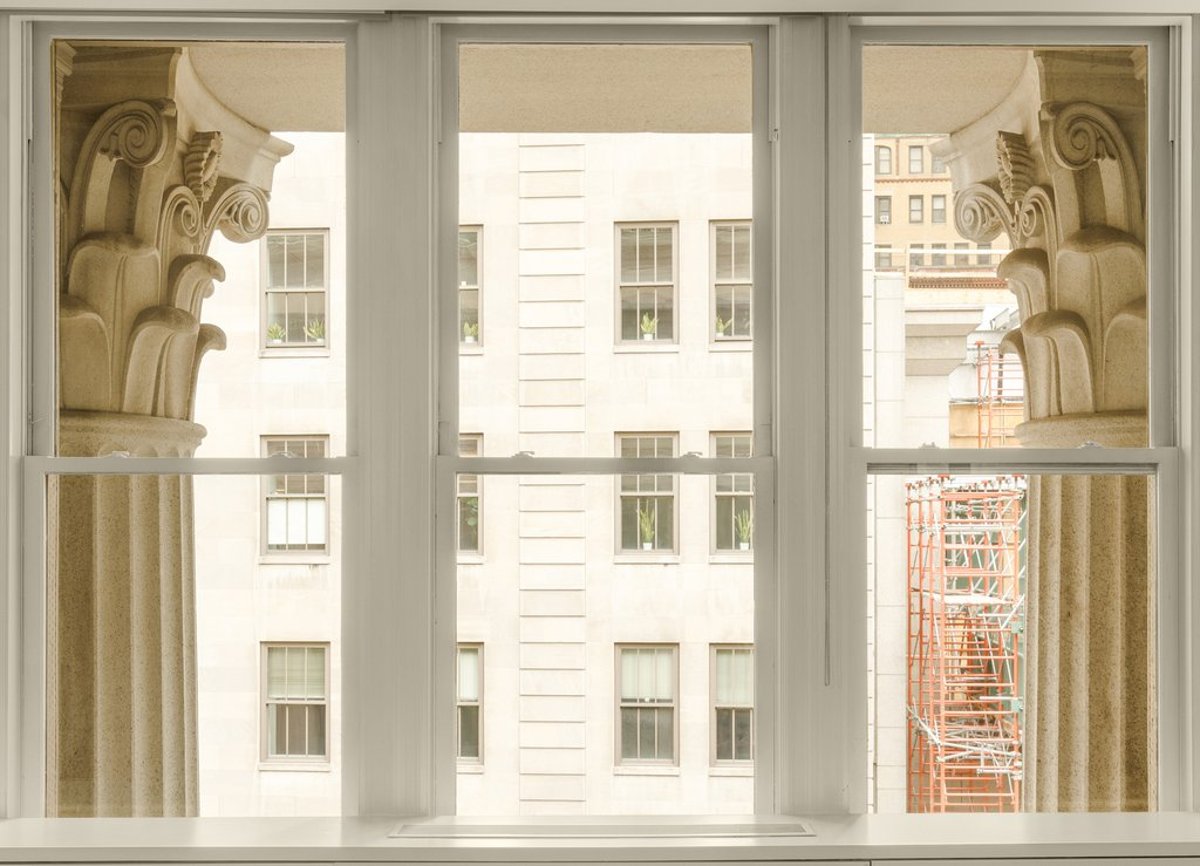
A Greek Revival masterpiece in the Financial District, 55 Wall Street has evolved from a 19th-century merchants' exchange into the exclusive Cipriani Club Residences, serving as a timeless anchor of Lower Manhattan's commercial history.
What is 55 Wall Street known for?
It is a National Historic Landmark and an icon of Greek Revival architecture featuring a Wedgwood dome and soaring ceilings. Historically, it served as the New York Merchants Exchange, the New York Stock Exchange, the U.S. Customs House, and the National City Bank headquarters.
Where is 55 Wall Street located?
It is located at 55 Wall Street in the Financial District of Lower Manhattan, New York, NY 10005, situated between William and Hanover streets.
What is the building used for now?
The building was converted into luxury condominiums known as the Cipriani Club Residences and also serves as a grand venue for events.
When was 55 Wall Street built?
Depending on the source, it was constructed either in 1842 by Isaiah Rogers or between 1836 and 1841.
What amenities does the building offer?
Residents have access to a 24-hour doorman and concierge, a bi-level fitness center, a library, and a landscaped roof deck.
What should I check before going?
Use Gyde for context, then check official sources for current hours, tickets, construction, and closures.
What to know
Standing between William and Hanover streets in the Financial District, 55 Wall Street is an eight-story architectural landmark that embodies the commercial evolution of New York City. Constructed by Isaiah Rogers in 1842, the building began its life as the New York Merchants Exchange. Its structural history is a blend of eras, consisting of an original three-story base with a later five-story addition that brings the total height to eight stories. Throughout the 19th and 20th centuries, this site served as a hub for American finance and governance. It has previously housed the New York Stock Exchange, the U.S. Customs House, and the headquarters of the National City Bank. Because of this illustrious past, the exterior was designated a New York City Landmark in 1965, and it was further recognized as a National Historic Landmark in 1978. Architecturally, the building is a premier example of Greek Revival style. The interior is renowned for its soaring ceilings and a magnificent Wedgwood dome. In 2009, the property underwent a meticulous conversion into the Cipriani Club Residences, transforming the historic halls into luxury condominiums. This shift helped pioneer the residential development of the Financial District, turning a purely commercial zone into a living neighborhood. Today, the building operates as a mixed-use space containing residential units on the upper floors and high-end event venues. Residents enjoy modern luxuries such as a bi-level fitness center, a library, and a landscaped roof deck, all while living within walls that witnessed the birth of the city's financial empire.
Visitor tips
- Focus your attention on the facade to appreciate the Greek Revival details, as the interior is primarily residential and private.
- Visit during a weekday morning to experience the bustling energy of the surrounding Financial District.
- Wear comfortable walking shoes, as this stop is best viewed as part of a larger loop through Lower Manhattan.
Nearby context
Located in the dense core of the Financial District, 55 Wall Street sits on the world's most famous street for finance, positioned specifically between William and Hanover streets.
Sources
Evidence and links
-
Cipriani Club Residences - 55 Wall Street Condominium
This iconic building, constructed in 1842 by Isaiah Rogers, served as a landmark for commerce throughout its illustrious past.
ciprianiclubresidences.com -
Cipriani Wall Street
Located in Lower Manhattan, Cipriani Wall Street stands as an icon of Greek Revival architecture featuring a magnificent Wedgwood dome and…
ciprianievents.com -
NYC Property Tax Data
Property Address, 55 WALL STREET # 10005 ; Billing Name and Address, CIPRIANUI CLUB RESIDENCES ; AT 55 WALL ST CONDOMINIUM ; 55 WALL ST. ;…
a836-pts-access.nyc.gov -
55 Wall St APT 810, New York, NY 10005 | Zillow
Residents of 55 Wall Street enjoy full-service luxury living, including a 24-hour doorman and concierge, bi-level fitness center, library,…
zillow.com -
55 Wall Street - Wikipedia
55 Wall Street, formerly the National City Bank Building, is an eight-story building on Wall Street between William and Hanover streets in…
en.wikipedia.org -
Energy Upgrade Project in 55 Wall St – NY Building Systems Consultant Inc.
55 Wall Street, constructed in 1836-1841 is a 9 stories 188,278 sq.ft. restaurant, commercial, retail and residential building located in d…
nybscinc.com