
New York City, New York / History
Williamsburg Savings Bank Building
A stunning 1875 Classical Revival landmark in Williamsburg, once a haven for the working class, now a meticulously restored luxury event space known as Weylin.
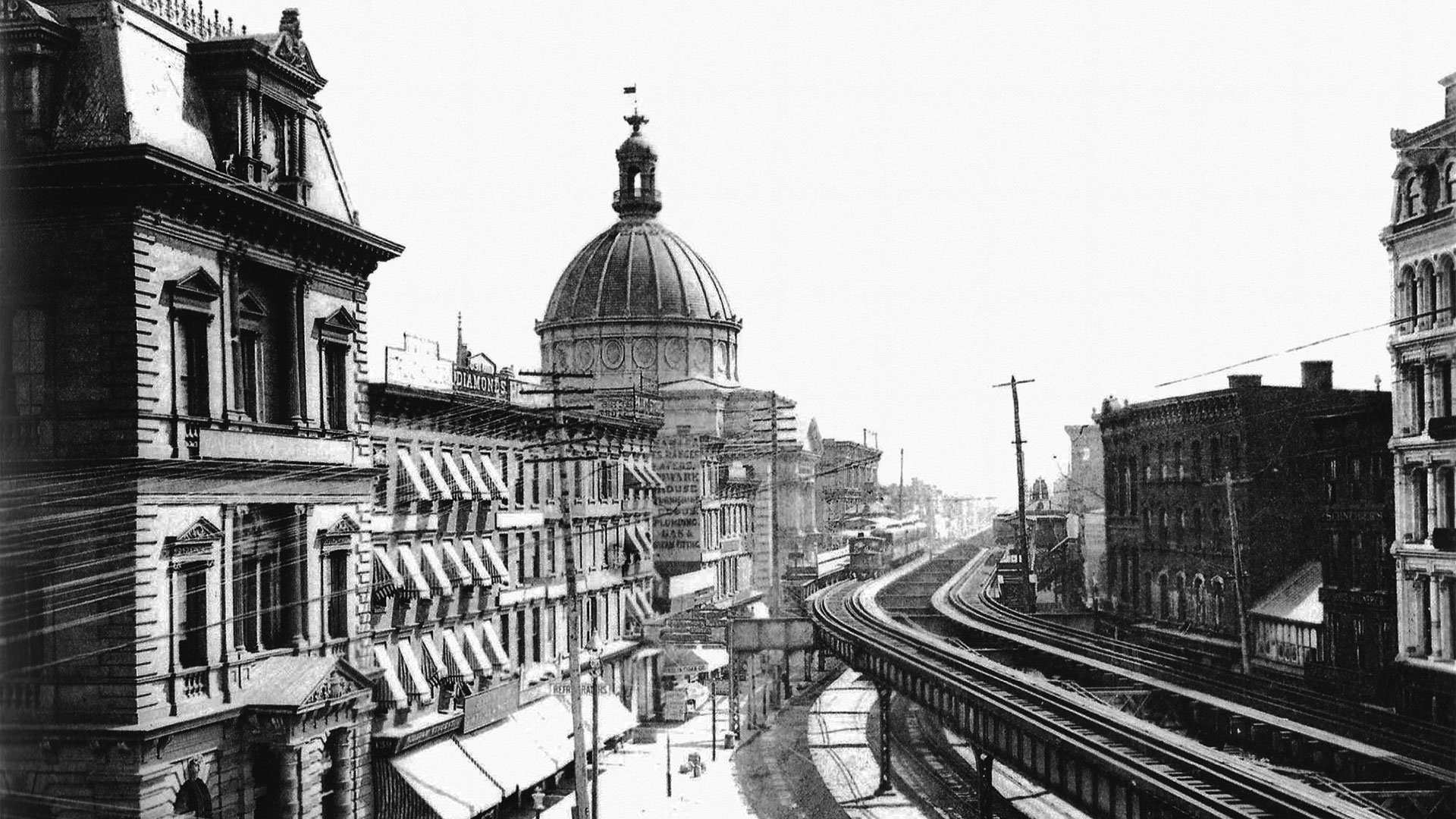
What is the Williamsburg Savings Bank Building known for?
The building is a historic landmark designed in the Classical Revival style by George B. Post. It was originally intended as a 'bank for the people,' serving as a haven for working-class people, women, and servants to safely invest their money.
Where is it located?
It is located at 175 Broadway, at the northwest corner with Driggs Avenue in the Williamsburg neighborhood of Brooklyn, New York City.
What is the building used for now?
Following a restoration project, the building was converted into a five-star event space called Weylin.
Are there any unique architectural features to see?
The building retains original speaking tubes and a circa 1911 Otis birdcage elevator, which is one of only three remaining unmodified birdcage elevators in New York City.
Is it a designated landmark?
Yes, the building's facade was declared a New York City landmark in 1966 and the interior in 1996. It was also added to the National Register of Historic Places in 1980.
What should I check before going?
Use Gyde for context, then check official sources for current hours, tickets, construction, and closures.
What to know
The Williamsburg Savings Bank Building, located at 175 Broadway at the northwest corner with Driggs Avenue, is a masterpiece of the Classical Revival style. Designed by architect George B. Post and with interiors by Peter B. Wight, the structure was constructed in 1875 as the headquarters for the Williamsburgh Savings Bank. Its Beaux-Art exterior serves as one of the earliest examples of French-inspired Classical Revival architecture in America following the Civil War. Originally intended as a haven for working-class people, the bank served women and servants who lacked substantial rights, providing them a safe place to invest their money. This mission of accessibility was mirrored in the building's grand architecture, which was designed to evoke a sense of security and prestige for its depositors. Over the decades, the building underwent several expansions. While the bank moved its headquarters to One Hanson Place in 1929, the 175 Broadway location remained in use as a branch. The exterior was designated a New York City landmark in 1966, and the interior was designated a landmark in 1996. In 2010, Brooklyn entrepreneurs purchased the structure and began a three-year restoration. This preservation project transformed a derelict structure into the five-star event space now known as Weylin. The restoration preserved late 19th- and early 20th-century décor, including original speaking tubes and a circa 1911 Otis birdcage elevator, which is one of only three remaining unmodified birdcage elevators in New York City.
Visitor tips
- Admire the Beaux-Art exterior from the sidewalk to appreciate the French-inspired Classical Revival details.
- Check if Weylin has public tours or open house events to see the restored interior and the 1911 birdcage elevator.
- Allow time to explore the northwest corner of Broadway and Driggs Avenue for the best architectural photography angles.
Nearby context
The building stands as a historic anchor in the heart of Williamsburg, Brooklyn, contrasting with the modern developments of the neighborhood's northwest corner at Broadway and Driggs Avenue.
Sources
Evidence and links
-
Former Williamsburgh Savings Bank Restored Luxury Events - Weylin
Weylin is the site of the iconic Williamsburgh Savings Bank, built by renowned architect George B. Post and interiors designed by Peter B.…
weylin.com -
Williamsburgh Savings Bank (Hanson Place), First Floor Interior
The Williamsburgh Savings Bank building, constructed in 1927-29, is the premier example of the work of Halsey, McCormack & Helmer, Inc., an…
s-media.nyc.gov -
From the Archives: The Williamsburgh Savings Bank Tower
When the tower was completed, in 1929, it was the tallest building in Brooklyn.
urbanomnibus.net -
Williamsburgh Savings Bank - Vertical Access
The Williamsburgh Savings Bank Tower was built in downtown Brooklyn, New York between 1927 and 1929.
vertical-access.com -
Williamsburgh Savings Bank Building (175 Broadway) - Wikipedia
Constructed as the headquarters of the Williamsburgh Savings Bank in 1875 and subsequently expanded several times.
en.wikipedia.org -
Williamsburgh Savings Bank Renovation - AIA New York
The Williamsburgh Savings Bank was a four-year historic preservation project that transformed a derelict though historically significant 14…
aiany.org