San Francisco, California / History
Castro District
A world-renowned epicenter of LGBTQ+ culture and resilience, the Castro District is a vibrant neighborhood in Eureka Valley known for its colorful Victorian homes and historic landmarks.
What is the Castro District known for?
The Castro is an international symbol of gay liberation and was one of the first gay neighborhoods in the United States. It is recognized as a beacon of freedom, diversity, and LGBTQ+ power, resilience, and inclusivity.
What are the must-see landmarks in the Castro?
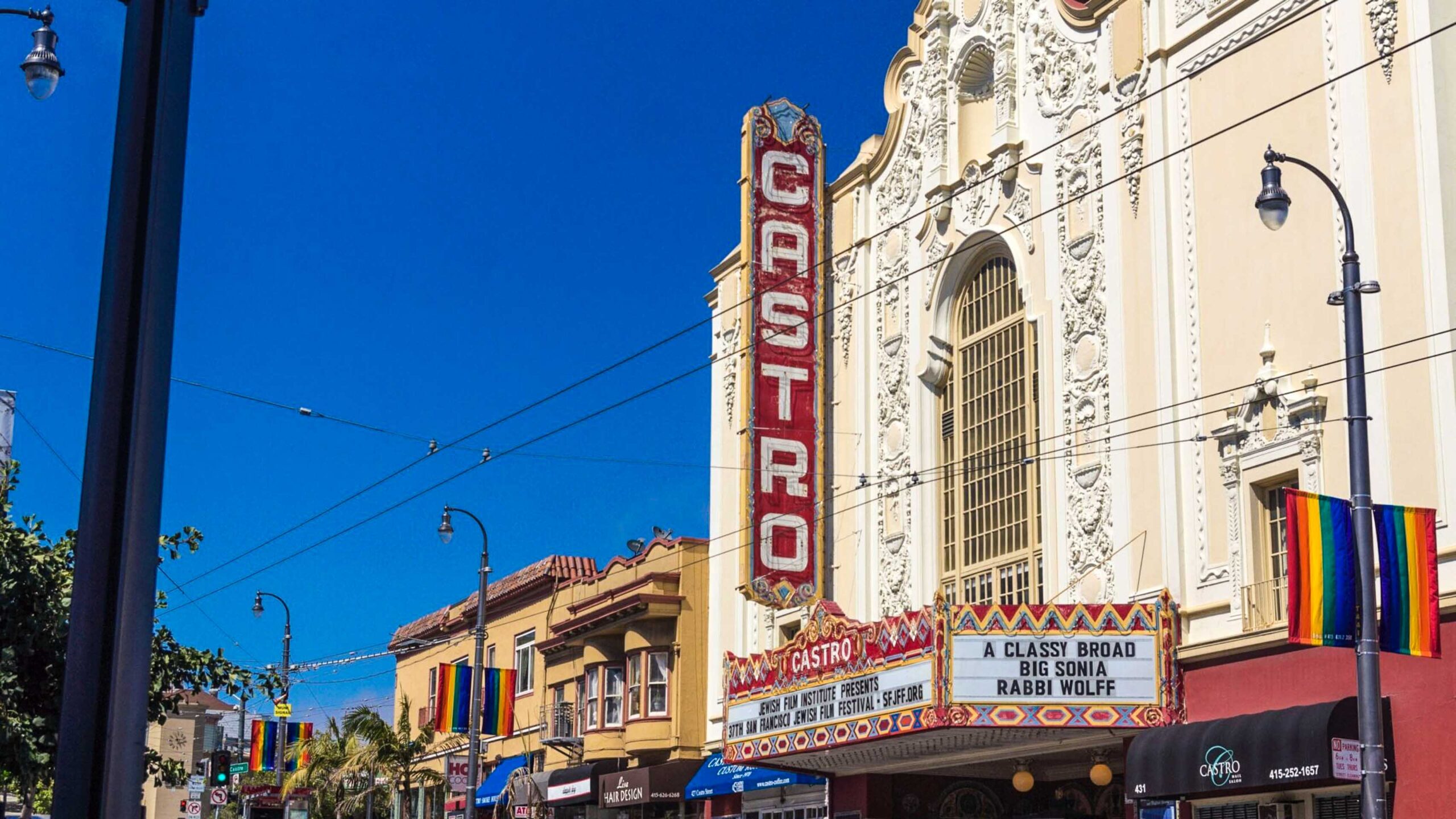
Major landmarks include the Castro Theatre, Harvey Milk Plaza, and Jane Warner Plaza. Visitors can also see the Gilbert Baker rainbow flag and the Rainbow Honor Walk plaques, which honor LGBTQ+ individuals who impacted global history.
What is the history of the Castro neighborhood?
The neighborhood emerged in 1887 after the Market Street Railway Company linked Eureka Valley to downtown, creating a working-class immigrant community. After World War II, it shifted into a haven for LGBTQ+ residents, later becoming a 'gay mecca' in the 1970s.
What is the architecture like in the Castro?
The area is characterized by predominantly Victorian architecture from the late 1800s, featuring ornate, colorful exteriors. The Castro Theatre is another architectural landmark, an Art Deco venue built in 1922.
What is the Castro Street Fair?
Founded by Harvey Milk in 1974, the Castro Street Fair is one of San Francisco's largest LGBTQ+ community events and is open to everyone. It is centered on Castro Street between Market and 19th streets and features hundreds of local artists, vendors, and craftspeople.
What should I check before going?
Use Gyde for context, then check official sources for current hours, tickets, construction, and closures.
What to know
The Castro District is a neighborhood in Eureka Valley, San Francisco, that has evolved from a quiet, working-class immigrant community into an international symbol of gay liberation. The area first emerged in 1887 when the Market Street Railway Company built a line linking Eureka Valley to downtown, which triggered a housing boom and turned the village into a thriving working-class neighborhood. Castro Street was named after José Castro, a Mexican general and statesman who served as the alcalde of Alta California from 1835 to 1836. Following World War II, the district shifted from its working-class roots into a haven for LGBTQ+ residents seeking acceptance and equality during a time of widespread discrimination. By the 1970s, the neighborhood emerged as a gay mecca, with the flamboyant neon sign of the Castro Theatre becoming a symbol of this era. The theater, an Art Deco dream designed by Timothy Pflueger and established in 1922, is now a designated historic landmark at the heart of the community. Civic activism is deeply embedded in the Castro's identity. Harvey Milk, a local resident and civil-rights activist, helped cement the district's status as a mecca for the LGBTQ+ community when he became the first openly gay elected official in California in 1977. Milk also founded the Castro Street Fair in 1974, which began as a celebration of gay-owned businesses and a response to discriminatory policies of local merchants. Today, the fair is one of San Francisco's most important festivals, featuring hundreds of local artists and vendors. Visitors can explore the predominantly Victorian architecture of the Upper Market area, where buildings feature ornate, colorful exteriors that sparkle with color. Key gathering points include Harvey Milk Plaza, a site for marches and voter drives, and Jane Warner Plaza, where the F-Market historic streetcar stops near the iconic Gilbert Baker rainbow flag. Additionally, the Rainbow Honor Walk plaques honor LGBTQ+ individuals who have made significant impacts in global history.
Visitor tips
- Ride the F-Market historic streetcar to Jane Warner Plaza to start your visit.
- Look for the colorful Victorian homes throughout the Upper Market area for great photography opportunities.
- Visit the Castro Theatre to admire its Art Deco architecture and neon sign, though it may be undergoing renovation.
- Check the event calendar for the Castro Street Fair to experience one of the city's largest LGBTQ+ community events.
Nearby context
Located in the heart of San Francisco, the Castro District is the cultural epicenter of the LGBTQ+ community in Eureka Valley, serving as a symbol of resilience and inclusivity within the city's diverse neighborhood landscape.
Sources
Evidence and links
-
Castro Street Fair
Founded by Harvey Milk in 1974, the Castro Street Fair began as a celebration of gay-owned businesses and the vitality of the Castro neighb…
castrostreetfair.org -
Everything You Need to Know About the Castro Street Fair
The Castro Street Fair is one of the largest and is open to everyone, so put on your most colorful clothes and join in.
sftravel.com -
Perfect Day in the Castro
Take the F-Market historic streetcar to the Castro. This will let you off in Jane Warner Plaza, across from the iconic Gilbert Baker rainbo…
sf.gov -
SEC. 715. CASTRO STREET NEIGHBORHOOD COMMERCIAL DISTRICT
The Castro Street District controls are designed to maintain existing small-scale development and promote a balanced mix of uses.
codelibrary.amlegal.com -
The Castro Theatre: Home
The long-awaited renovation and historic restoration are finally underway!
thecastro.com -
Things to See - Castro Community Benefit District
Some places worth visiting in the Castro/Upper Market: Harvey Milk Plaza and Rainbow Flag
castrocbd.org