
San Francisco, California / History
Mission San Francisco de Asís (Mission Dolores)
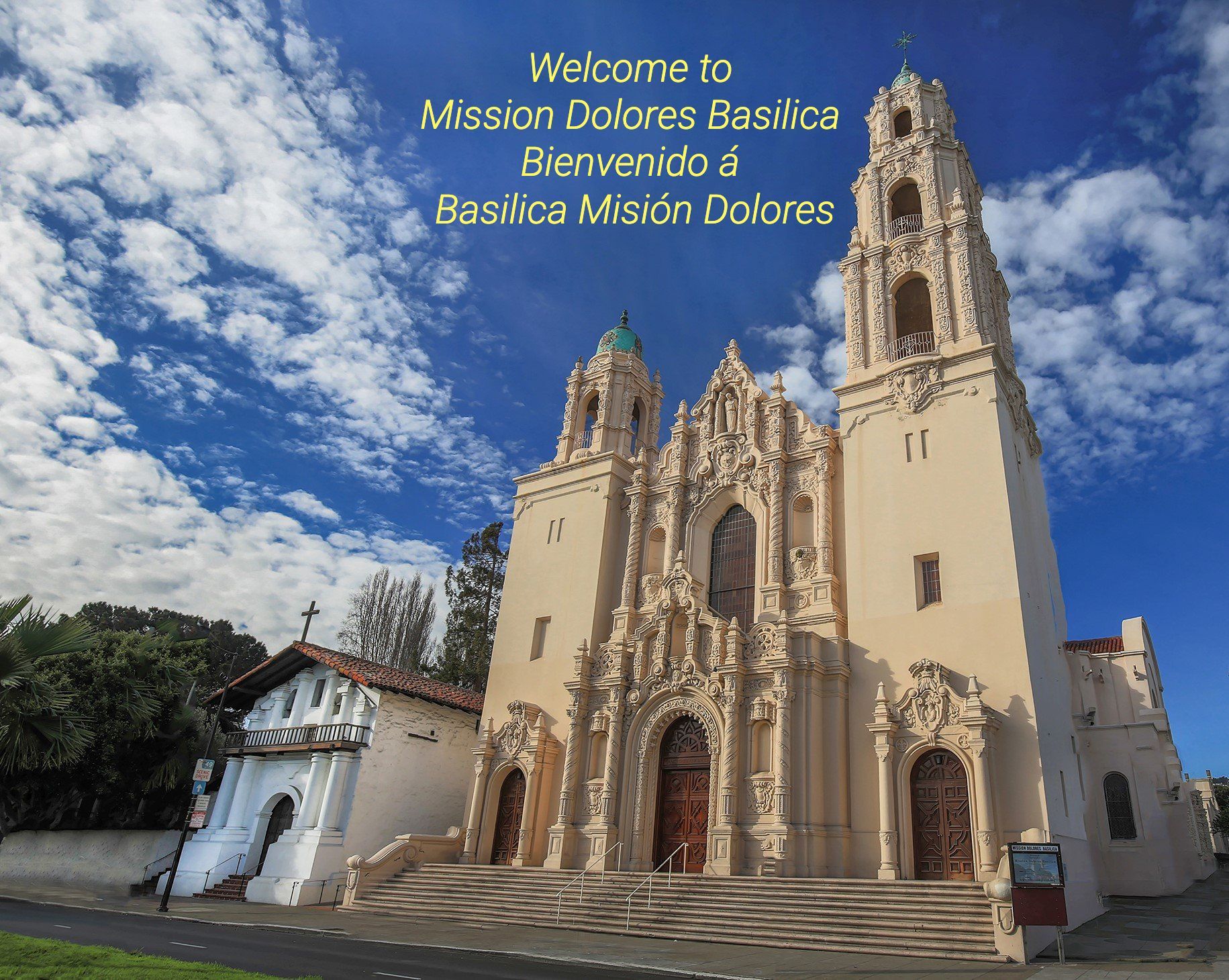
The oldest intact building in San Francisco, this 18th-century Spanish mission serves as a profound monument to the city's colonial origins and the complex history of the Alta California mission chain.
What is Mission San Francisco de Asís (Mission Dolores) known for?
It is the oldest intact building in San Francisco and the only intact Mission Chapel from Father Serra's chain of 21 missions. It is also the principal remaining physical monument of the Spanish Empire and Mexican Republic in the San Francisco Bay region.
How much does it cost to visit?
Admission is $10 for adults and $5 for students.
What are the hours?
Visitor hours are Monday through Friday from 10 a.m. to 4 p.m., and Saturday and Sunday from 10 a.m. to 5 p.m.
Why is it called Mission Dolores?
The common name comes from the nearby creek named Arroyo de los Dolores (or 'Creek of Sorrows'), as well as the now-vanished Lake Dolores.
Is there parking available?
Free parking is available on weekends.
What should I check before going?
Use Gyde for context, then check official sources for current hours, tickets, construction, and closures.
What to know
Founded on October 9, 1776, by Francisco Palóu and Pedro Benito Cambón under the direction of Father Junípero Serra, Mission San Francisco de Asís stands as a rare survivor of the city's early history. It was the sixth Franciscan mission established in Alta California and is the only intact Mission Chapel remaining from Father Serra's chain of 21 missions. Completed in 1791, the structure has endured numerous earthquakes, including the devastating earthquake and fire of 1906. While officially named for St. Francis of Assisi, the site is widely known as Mission Dolores. This common name derives from the nearby Arroyo de los Dolores, or 'Creek of Sorrows,' as well as the now-vanished Lake Dolores. The mission's presence was so influential that the surrounding Mission neighborhood of San Francisco eventually took its name from the site. The mission's history is marked by tragedy and resilience. The area was originally inhabited by the Ohlone people, and the mission later drew individuals from the Miwok and Patwin tribes. However, the impact of European diseases was severe; deaths among the Indigenous population were especially high here, eventually necessitating the creation of a hospital 15 miles north, which later evolved into Mission San Rafael Arcángel. Today, the site continues to function as a Roman Catholic Parish. It remains the principal physical monument of the Spanish Empire and Mexican Republic in the San Francisco Bay Area, offering visitors a direct architectural link to the colonial era.
Visitor tips
- Adult admission is $10 and students pay $5.
- If visiting on a weekend, take advantage of the available free parking.
- Plan your visit between 10 a.m. and 4 p.m. on weekdays, or until 5 p.m. on weekends.
- Allow approximately 45 to 60 minutes to fully explore the chapel and grounds.
Nearby context
Located in the heart of the Mission District, the mission is the namesake of the neighborhood. Its presence anchors the area's identity, contrasting the 18th-century adobe walls with the vibrant, modern urban energy of the surrounding streets.
Sources
Evidence and links
-
Mission Dolores - FoundSF
The mission is named after the founder of the Franciscan Order, Saint Francis of Assisi (1182-1226). Founded under the direction of Fray Ju…
foundsf.org -
Mission Dolores - San Francisco
Old Mission, Giftshop, Museum, Cemetery & Basilica Hours: Monday to Friday: 10:00 a.m. - 4:00 p.m. Saturday/Sunday: 10:00 a.m. - 5:00 p.m.
missiondolores.org -
Mission San Francisco de Asis - Library of Congress
Mission San Francisco de Asis was established in 1776 when Juan Bautista de Anza led a group of people from Tubac, Mexico for the purpose o…
loc.gov -
Mission San Francisco de Asis - Official Website (Visitor Info)
Monday through Friday: 10 a.m. to 4 p.m.
missiondolores.org -
Mission San Francisco de Asís Facts - The California Frontier Project
Location: 3321 16th St, San Francisco, CA 94114. Date founded: June 26, 1776. Patron saint: St. Francis of Assisi. Founder: Fr. Junípero Se…
californiafrontier.net -
San Francisco de Asís - California Missions Foundation
Having survived the great earthquake and fire of 1906, the mission church is the oldest intact building in the city of San Francisco and th…
californiamissionsfoundation.org