
San Francisco, California / History
PacBell Building
A towering 1925 Art Deco masterpiece in San Francisco's South of Market district, once the city's tallest building and the former headquarters of Pacific Telephone & Telegraph.
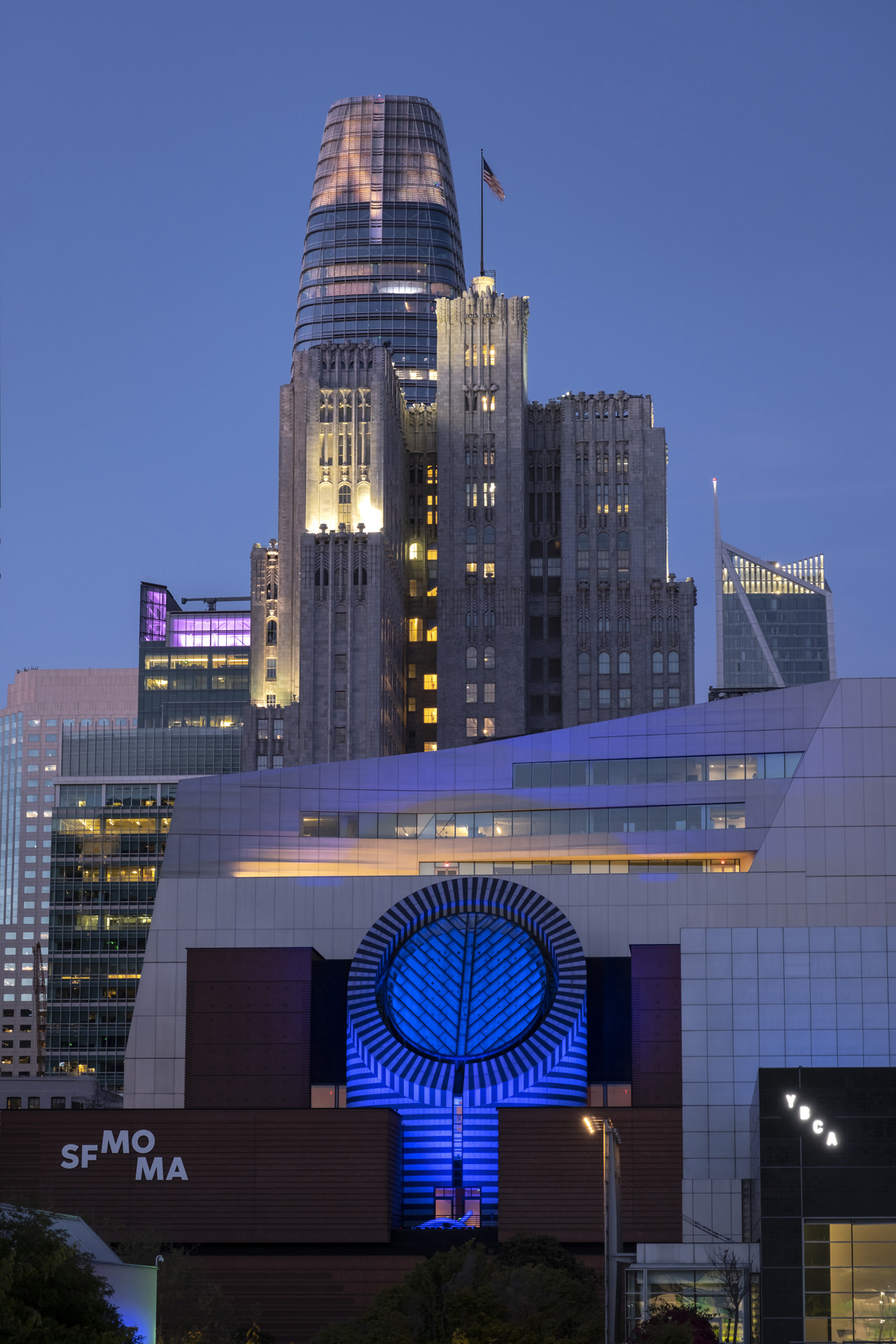
What is the PacBell Building known for?
The PacBell Building, located at 140 New Montgomery Street, is a 26-floor Art Deco office tower that served as the headquarters for Pacific Telephone & Telegraph. When it opened in 1925, it was San Francisco's first significant skyscraper development and the tallest building in the city at 435 feet.
Where is the PacBell Building located?
It is located at 140 New Montgomery Street in San Francisco's South of Market (SoMa) district.
What are the architectural features of the building?
The building is an Art Deco masterpiece with an L-shaped floor plan and decorative exterior spotlights. Interior features include original hardwood floors, decorative molding, and 20-foot ceilings.
Was the PacBell Building always the tallest building in San Francisco?
It was the tallest building in San Francisco from its opening in 1925 until 1927, when the Russ Building matched its height of 435 feet.
What should I check before going?
Use Gyde for context, then check official sources for current hours, tickets, construction, and closures.
What to know
The PacBell Building, located at 140 New Montgomery Street, stands as a premier example of Art Deco architecture in San Francisco's South of Market district. Completed in 1925, this 26-floor office tower was designed as the modern headquarters for The Pacific Telephone & Telegraph Company. It was originally known as the Pacific Telephone Building, before later becoming known as the PacBell Building. Upon its opening on May 30, 1925, the structure reached a height of 435 feet, making it San Francisco's first significant skyscraper development and the tallest building in the city until 1927, when the Russ Building matched its height. The tower's design features an L-shaped floor plan and incorporates decorative exterior spotlights to illuminate the building's facade at night. Inside, the building maintains several historic interior features, including 20-foot ceilings, original hardwood floors, and decorative molding. While it originally served as the company's headquarters, the building was sold by AT&T in 2007 to transition into a mixed-use office tower. Now, it is recognized as an important symbol of San Francisco's early 20th-century urban development.
Visitor tips
- Look up at the architectural details of the Art Deco facade as you approach from New Montgomery Street.
- Capture a great photo of the tower's height from the opposite side of the street to capture the full scale.
- Allow a few minutes to admire the exterior spotlights that light the building at night.
Nearby context
The PacBell Building is situated in the South of Market (SoMa) district, close to the St. Regis Museum Tower and the San Francisco Museum of Modern Art. It is also within walking distance of the Palace Hotel and Yerba Buena Gardens.
Sources
Evidence and links
-
140 New Montgomery
When 140 New Montgomery opened in 1925, at 435 feet high it was the tallest skyscraper in San Francisco.
140nm.com -
140 New Montgomery
140 New Montgomery Street is a 26-floor Art Deco mixed-use office tower located in San Francisco's South of Market district, close to the S…
en.wikipedia.org -
Alibaba - Studio O+A
Located on the 26th floor of one of San Francisco's Art Deco masterpieces—the old PacBell Building, built in 1925—Alibaba's new office mixe…
o-plus-a.com -
Category:140 New Montgomery Street
140 New Montgomery Street − Pacific Bell Building— located on New Montgomery Street in the South of Market district of San Francisco, Calif…
commons.wikimedia.org -
PacBell Building, San Francisco Skyscraper
The tower has an "L" shaped floor plan and the architecture decoratively incorporates spotlights to light the outside of the building.
demo.processwire.com