
San Francisco, California / History
U.S. Post Office and Courthouse
A stunning example of Beaux-Arts architecture, this National Historic Landmark has survived two major earthquakes to remain one of the most beautiful public buildings in the United States.
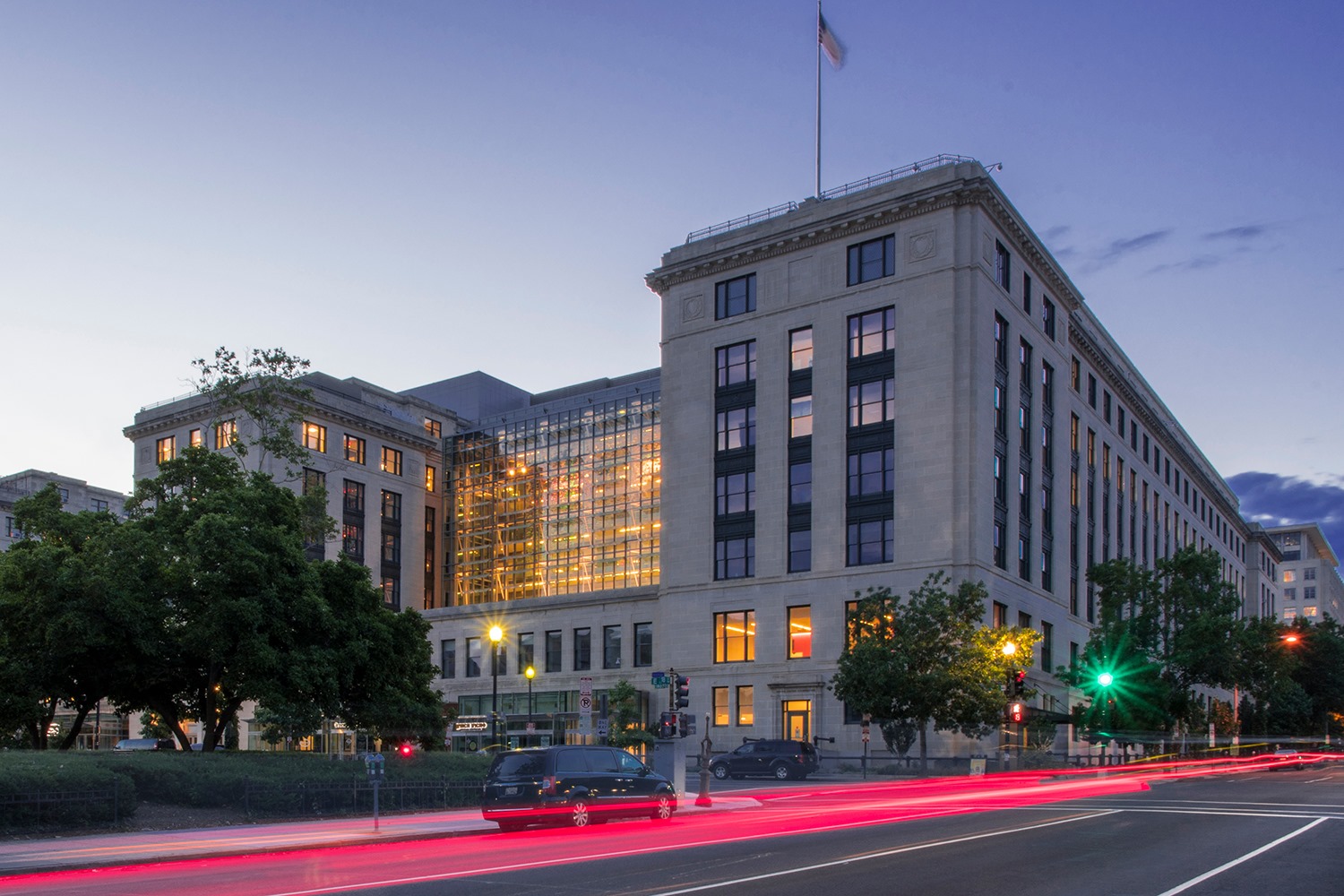
What is the U.S. Post Office and Courthouse known for?
It is considered one of the nation's most beautiful public buildings and is recognized for its highly ornate architecture. It has been listed on the National Register of Historic Places since 1971 and was designated a National Historic Landmark in 2012.
What are the architectural styles of the building?
The building's design reflects Beaux-Arts, Italian Renaissance, and early federal influences. It is a steel-framed brick structure clad in white Sierra granite, with interior marble imported from North Africa and Italy, including Carrara.
Can I visit the building?
The lobby is usually open to the public. Additionally, some court rooms and the former Main Post Office can be visited via regularly scheduled guided tours.
What is the history of the building?
Authorized by Congress in 1887, the building was constructed between 1893 and 1905. It survived the 1906 earthquake and fires with relatively little damage and was later damaged again by the 1989 Loma Prieta earthquake.
What is the building used for now?
Following extensive restoration and seismic retrofitting between 1993 and 1996, the building reopened as the U.S. Court of Appeals for the Ninth Circuit.
What should I check before going?
Use Gyde for context, then check official sources for current hours, tickets, construction, and closures.
What to know
The U.S. Post Office and Courthouse, now known as the James R. Browning U.S. Court of Appeals, is a monumental structure located at 95 7th St. Designed by James Knox Taylor, the Supervising Architect of the U.S. Treasury Department, the building was constructed between 1893 and 1905. Its design is a sophisticated blend of the Beaux-Arts school, Italian Renaissance influences, and the federal traditions of the early republic. The building's exterior consists of a steel-framed brick structure clad in white Sierra granite. Inside, the opulence continues with marble imported from North Africa and Italy, including the renowned Carrara marble. Originally three stories tall, the building was intended to centralize federal courts and postal services that had previously been scattered across downtown San Francisco. Resilience defines the history of this landmark. Only six months after its 1905 completion, the structure was seriously damaged by the 1906 earthquake and threatened by the resulting fires, though restoration was finished by 1910. Decades later, the building suffered further damage during the 1989 Loma Prieta earthquake, necessitating another period of extensive repair. Following a comprehensive restoration and seismic retrofitting process that lasted from 1993 to 1996, the building reopened as the U.S. Court of Appeals for the Ninth Circuit. Recognized for its highly ornate architecture, it has been listed on the National Register of Historic Places since 1971 and was designated a National Historic Landmark in 2012.
Visitor tips
- Visit the lobby, which is usually open to the public for a glimpse of the interior marble.
- Check for regularly scheduled guided tours to see the former Main Post Office and specific court rooms.
- Wear comfortable walking shoes as the building is located near other major sites like the Asian Art Museum.
Nearby context
Situated at the intersection of Seventh and Mission streets, this courthouse anchors a district of cultural and civic importance. It sits within walking distance of the SFJAZZ Center and the Asian Art Museum, blending federal authority with the city's artistic hubs.
Sources
Evidence and links
-
James R. Browning U.S. Court of Appeals Building, San Francisco, CA
Location: 95 7th St, San Francisco, CA 94103. Courthouse and Post Office.
gsa.gov -
U.S. Post Office/Courthouse (Browning U.S. Court of Appeals) - Clio
It took eight years to construct a new federal building to hold a U.S. Post Office and Courthouse on Seventh and Mission streets.
theclio.com -
United States Post Office and Courthouse in San Francisco, California
National Register #71000188
noehill.com