
Washington, D.C., District of Columbia / Religious sites
National Cathedral
A Neo-Gothic masterpiece and the world's sixth-largest Gothic cathedral, this Indiana limestone landmark serves as a site for presidential funerals and a sanctuary of stunning stained glass.
What is the National Cathedral known for?
It is an architectural landmark known as the world's sixth-largest Gothic cathedral and the second-largest church building in the United States. It is also a site for post-inauguration prayer services and presidential funerals.
How much does it cost to visit?
General admission is $12 for adults and $8 for children ages 5 to 17, while children 4 and under are free. Church services and musical performances are the only ways to experience the cathedral for free.
What are the hours for tours?
Guided walking highlights tours are offered daily at 10:15 a.m. Monday through Saturday, and at 1 p.m. on Sunday.
What is the architecture like?
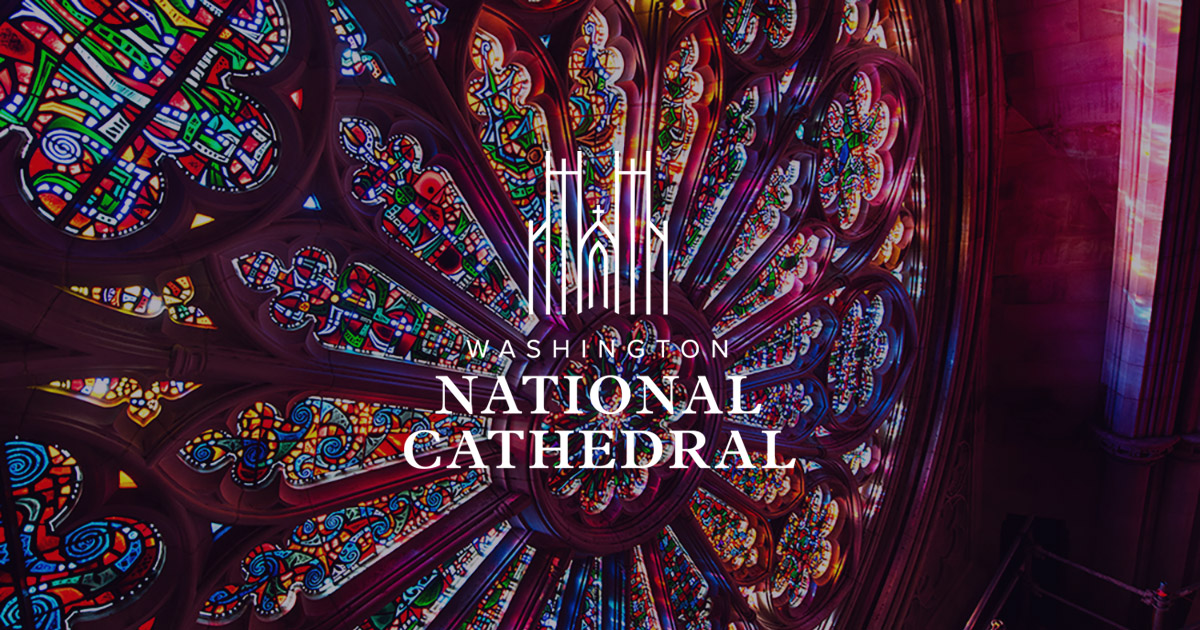
The cathedral is designed in a Neo-Gothic style modeled on late-14th-century English Gothic architecture and is carved from Indiana limestone. It features a 30-story central tower, a nine-bay nave, and 215 stained-glass windows.
Are there any unique features to look for?
Yes, one of the cathedral's 215 stained-glass windows has a moon rock embedded in it.
What should I check before going?
Use Gyde for context, then check official sources for current hours, tickets, construction, and closures.
What to know
The Cathedral Church of Saint Peter and Saint Paul in the City and Episcopal Diocese of Washington, commonly known as the National Cathedral, is a towering achievement of Neo-Gothic design. Modeled on English Gothic architecture from the late 14th century, the structure was carved from Indiana limestone. While its flying buttresses and spires create an ancient atmosphere, construction actually spanned the 20th century, beginning in 1907 and reaching completion in 1990. As the second-largest church building in the United States and the third-tallest building in Washington, D.C., the cathedral is a site of immense national significance. It serves as the seat for the Bishop of Washington and the presiding bishop of the Episcopal Church. Beyond its religious role, the cathedral is widely recognized as the setting for post-inauguration prayer services and presidential funerals. The interior is equally impressive, featuring a nine-bay nave and a massive 30-story central tower. Visitors can explore 215 stained-glass windows that bathe the limestone interior in color. One of the most unique features is a window embedded with a piece of moon rock, blending celestial history with spiritual art. Founded in 1893 via a charter from Congress to the Protestant Episcopal Cathedral Foundation, the site continues to be managed by leadership including its eleventh dean, the Very Rev. Randolph “Randy” Marshall Hollerith. It remains a premier architectural landmark in the northwest quadrant of the city.
Visitor tips
- Attend a Sunday service or a musical performance to experience the cathedral for free.
- Join the guided walking highlights tours at 10:15 a.m. Monday through Saturday, or 1 p.m. on Sunday.
- Budget $12 for adult general admission if visiting outside of free services.
- Allow for a scenic 30-minute walk if arriving from the Red Line Metro.
Nearby context
The cathedral is located in the Upper Northwest neighborhood of Cathedral Heights, situated specifically at the intersection of Massachusetts and Wisconsin Avenues.
Sources
Evidence and links
-
Home - Washington National Cathedral
Visit, tour, worship, and more at Washington National Cathedral.
cathedral.org -
Visiting the Washington National Cathedral - DC250
Stained-glass windows, Gothic spires and flying buttresses make the Washington National Cathedral look ages old, but the grand church was a…
dc250.us -
Washington National Cathedral - DC250 / Washington.org combined visitor information
Sunday services are open to all, and Monday through Thursday at 5:30 p.m., an admission fee is required: $12 for adults, $8 for children ag…
washington.org -
Washington National Cathedral - Episcopal Diocese of Washington
The Cathedral Church of Saint Peter and Saint Paul is the seat of both Bishop Mariann Edgar Budde of the Diocese of Washington, and the Mos…
edow.org -
Washington National Cathedral - Wikipedia
The Cathedral Church of Saint Peter and Saint Paul in the City and Episcopal Diocese of Washington, commonly known as Washington National C…
en.wikipedia.org