
Washington, D.C., District of Columbia / Parks and outdoors
West Potomac Park
A sprawling 400-acre national park in Washington, D.C., home to the Tidal Basin, world-famous cherry blossoms, and several iconic national memorials.
What is West Potomac Park known for?
West Potomac Park is a U.S. national park known for its cherry trees, the Tidal Basin, and several major national landmarks, including the Jefferson, Martin Luther King Jr., Franklin Delano Roosevelt, Korean War Veterans, and George Mason memorials.
What are the hours for West Potomac Park?
Outdoor areas of the park are generally open 24 hours a day, 7 days a week, though some sources list daily hours from 6:00 AM to midnight. Indoor sites and facilities follow their own separate posted hours.
Is it free to visit?
Yes, admission to the park is free.
Can I picnic in the park?
Picnicking is allowed, but it is prohibited in Memorial Restricted Areas. Groups of 25 or more require a permit, and reserved picnicking at Hains Point must be booked online.
What is the best way to get there?
The DC Circulator’s National Mall Route is identified as the best public transportation option for reaching the park area.
What should I check before going?
Use Gyde for context, then check official sources for current hours, tickets, construction, and closures.
What to know
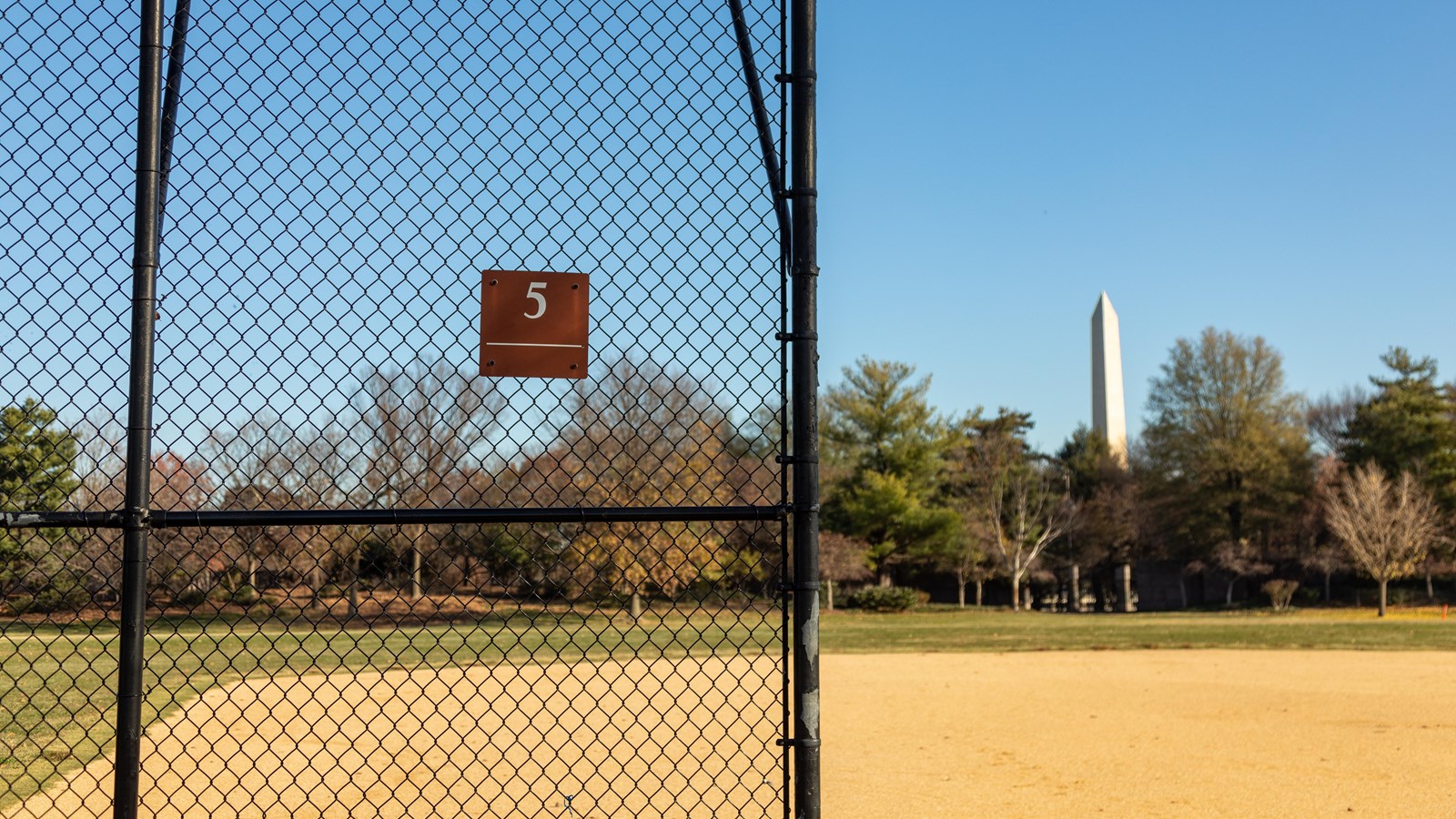
West Potomac Park is a U.S. national park in Washington, D.C., situated adjacent to the National Mall. The parkland extends south of the Lincoln Memorial Reflecting Pool, stretching from the Lincoln Memorial to the grounds of the Washington Monument. This expansive 400-acre landscape was formed from tidal flats reclaimed by the U.S. Army Corps of Engineers between 1882 and 1913, and was officially declared parkland by Congress in 1897. The park is a central hub for national landmarks. It contains several major memorials, including the Jefferson Memorial, the Martin Luther King Jr. Memorial, the Franklin Delano Roosevelt Memorial, the Korean War Veterans Memorial, and the George Mason Memorial. These sites provide a profound historical narrative of the United States. One of the most celebrated features of the the park is the Tidal Basin, which was first built in the 1800s to harness the power of the tides in the Potomac River to flush silt and sediment from the Washington Channel. Today, the basin is world-renowned for its beautiful cherry trees, making it the primary location for Washington's Cherry Blossom Festival each spring. Beyond its monuments, the park offers diverse recreational opportunities. Along Ohio Drive SW, there are five mixed-use fields for athletic activities. Visitors can also fish in the Tidal Basin area, provided they have a DC fishing license. While the park's outdoor areas are generally open 24 hours a day, 7 days a week, certain restricted areas around memorials may have specific rules regarding picnicking.
Visitor tips
- Visit during the spring to see the cherry blossoms in full bloom during the Cherry Blossom Festival.
- Use the DC Circulator’s National Mall Route for the most convenient public transportation to the park area.
- If you plan to fish in the Tidal Basin, remember to bring a valid DC fishing license.
- Avoid picnicking in Memorial Restricted Areas, as it is prohibited.
Nearby context
West Potomac Park serves as a scenic bridge between the Lincoln Memorial and the Washington Monument, bordering the Potomac River and the Tidal Basin.
Sources
Evidence and links
-
National Mall and Memorial Parks (U.S. National Park Service)
National Mall and Memorial Parks or park means an administrative unit of the NPS that manages approximately 1,000 acres of federal park lan…
nps.gov -
Potomac Park | Washington DC
West Potomac Park, the area between the Washington Monument and the Lincoln Memorial, includes the Tidal Basin and the beautiful cherry tre…
washington.org -
Superintendent's Compendium - National Mall and Memorial Parks
Outdoor areas within the park are open 24 hours a day 7 days a week unless otherwise noted.
nps.gov -
Tidal Basin, Washington, DC (U.S. National Park Service)
The Tidal Basin is part of West Potomac Park in Washington, DC.
nps.gov -
West Potomac Park Mixed Use Fields in District of Columbia
The West Potomac Park Mixed Use Fields include five fields located along Ohio Dr. SW between West Basin Dr. SW and the Lincoln Memorial.
recreation.gov -
East Potomac Park (Hains Point), West Potomac Park & the Tidal Basin
Hours: Daylight hours daily, year-round.
birdersguidemddc.org